Thinking about listing this spring and wondering where to start? You are not alone. Spring brings the biggest buyer pool in Baltimore County, and a focused plan can help you stand out, sell faster, and protect your bottom line. In this guide, you will get a clear timeline, a room-by-room checklist, smart budget priorities, and a quick overview of Maryland paperwork so you can move forward with confidence. Let’s dive in.
Why spring sells in Baltimore County
Spring is when buyer activity typically peaks, especially from March through May. That means more eyes on your listing and often fewer days on market. In Baltimore County, demand varies by neighborhood. Suburban spots like Towson, Catonsville, Perry Hall, Parkville, Owings Mills, Hunt Valley, Essex, and Dundalk can follow different rhythms, so you want a neighborhood-level pricing and prep plan.
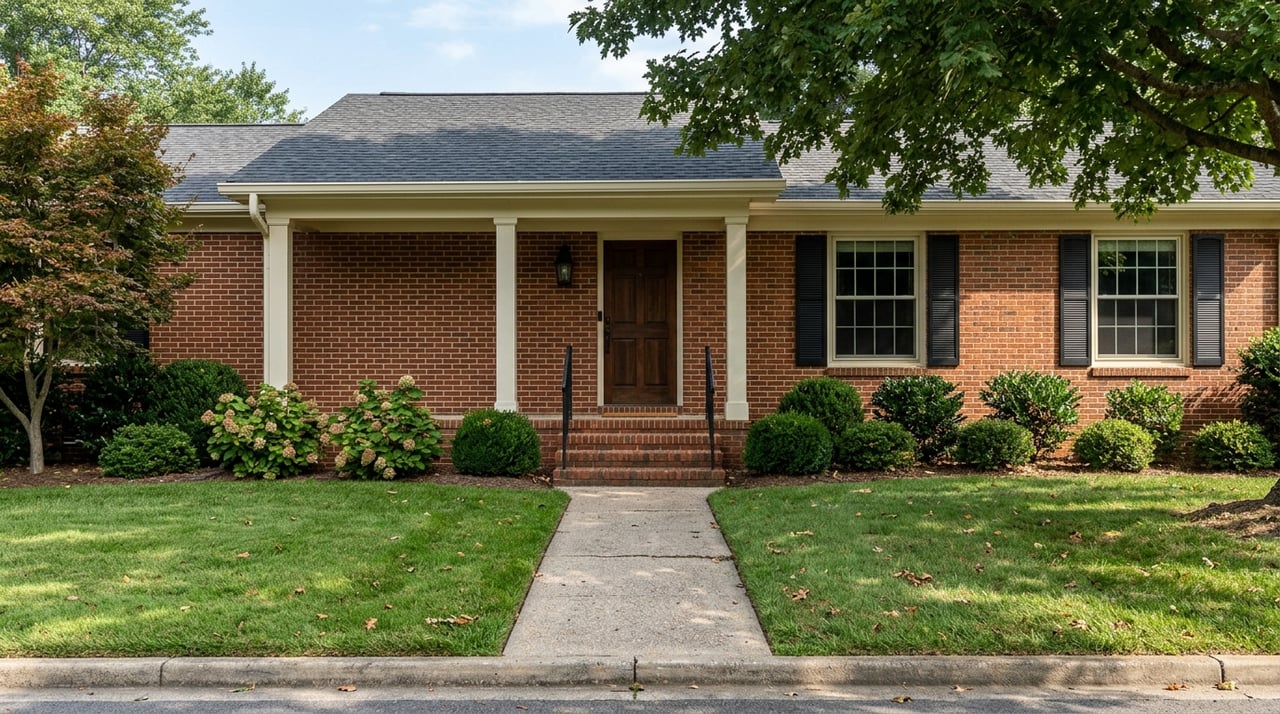
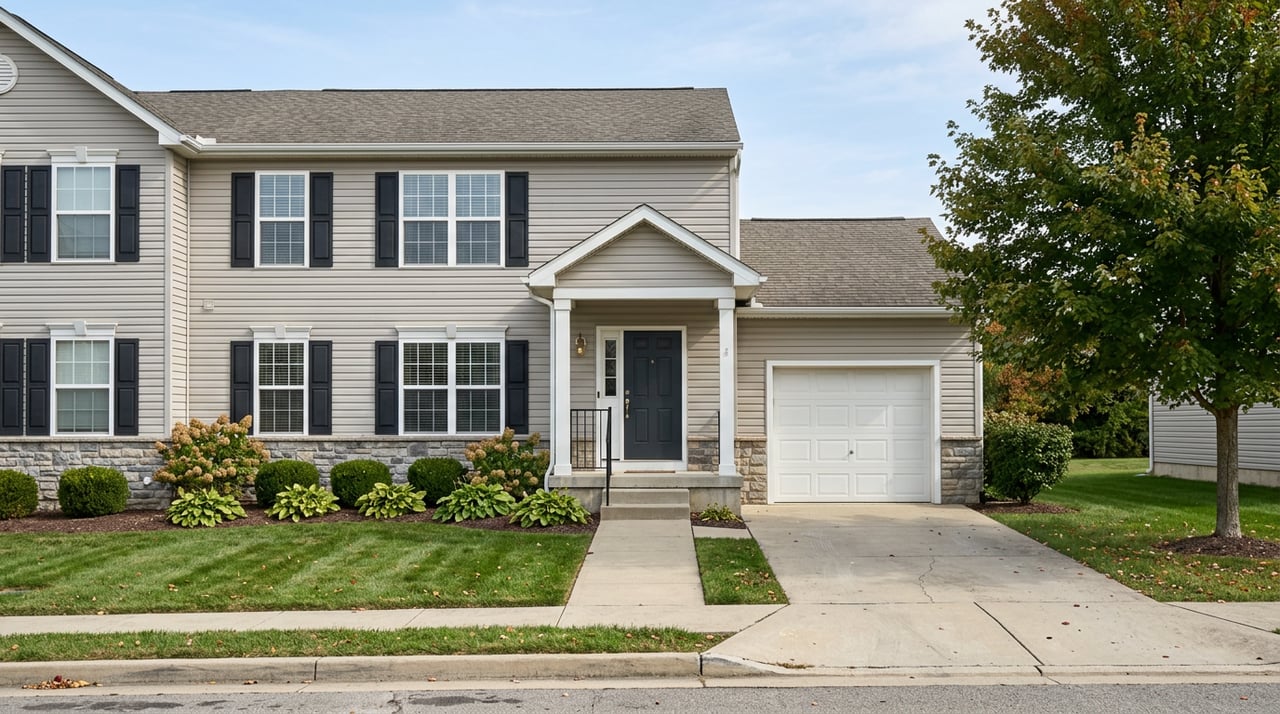
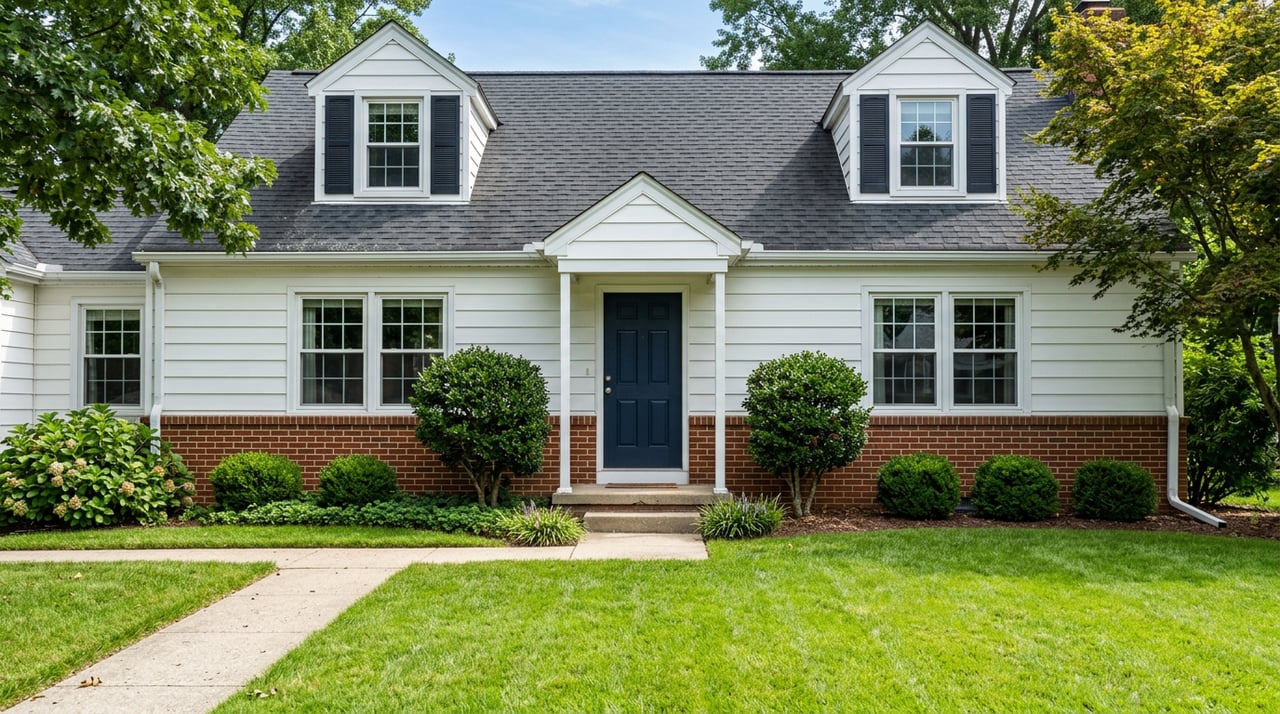
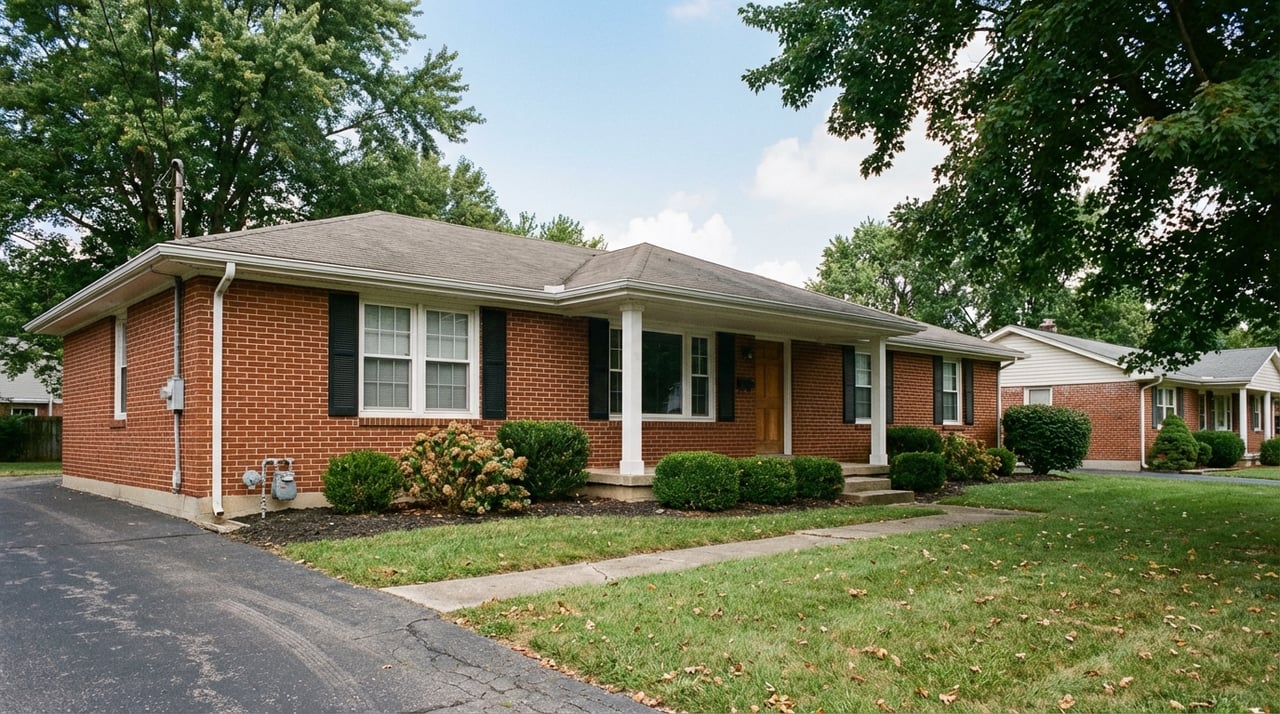
The Mid-Atlantic climate also gives you a curb appeal window. Early spring is ideal for exterior touch-ups, basic landscaping, and fresh plantings. Aim to finish yard work, exterior painting, and minor repairs before your target list date so your home looks crisp the moment it hits the market.
Your 6 to 8 week game plan
A simple schedule keeps you on track and aligns your prep with peak buyer activity.
- 6 to 8 weeks out: Declutter, deep clean, and collect key documents. Schedule any larger repairs and consider optional pre-list inspections. Start getting quotes for paint, landscaping, and minor upgrades.
- 3 to 4 weeks out: Complete painting, lighting updates, and small repairs. Refresh landscaping, improve the front entry, and tackle kitchen and bath touch-ups.
- 1 to 2 weeks out: Final deep clean and staging. Service HVAC if you have not already. Confirm showing instructions, lockbox placement, and photo day readiness.
Room-by-room checklist
General prep
- Declutter every space. Remove extra furniture, clear counters, and store personal photos. You want rooms to look open and neutral.
- Deep clean from top to bottom. Windows, baseboards, carpets, light fixtures, and fans should be spotless.
- Paint with a neutral palette. Focus on high-visibility areas like the entry, living room, kitchen, and bathrooms.
- Brighten lighting. Replace dim bulbs with warm, bright LEDs and confirm all fixtures work.
- Address odors at the source. Clean carpets, air out the home, and remove any smoke or pet odors.
- Consider staging. Partial or professional staging can improve buyer perception and speed of sale.
Curb appeal and exterior
- Lawn and beds: Mow, edge, trim, and clear weeds. Add simple seasonal color with planters or early blooms.
- Front entry: Clean or repaint the door, refresh hardware and house numbers, and add a fresh doormat.
- Walkways and drive: Repair cracks and pressure wash where needed.
- Siding and gutters: Touch up flaking paint, secure loose siding, and clean gutters.
- Roof and attic: Address obvious issues and have documentation for any recent roof work.
- Decks and porches: Replace loose boards, consider a quick restain, and power wash.
Entry, living, and dining
- Arrange furniture to create clear pathways and highlight focal points like windows or a fireplace.
- Finish minor fixes. Tighten hardware, replace outlet covers, and repair trim for a polished look.
Kitchen upgrades that pay
- Declutter counters. Store small appliances to show off work space.
- Clean or replace grout and polish hardware.
- Refresh cabinets if needed. Paint and new hardware can deliver a big visual lift at a modest cost.
- Ensure appliances are clean and working. Gather service records if you have them.
- Layer lighting for photos and showings.
Bathrooms that show well
- Recaulk tubs and showers and replace tired grout.
- Update dated fixtures and hardware for a quick refresh.
- Clean mirrors and vanity lights until they shine.
- Confirm proper ventilation and check for any signs of moisture.
Bedrooms and closets
- Create a calm, spacious feel. Remove excess furniture and use fresh, neutral linens.
- Organize closets. Buyers will open them, so show off storage capacity.
Basement, attic, and storage
- Keep spaces clean, dry, and well lit.
- Address any moisture or pest concerns early. A dehumidifier can help during damp spring days.
Mechanical and safety
- HVAC: Service your system and replace filters. Keep service receipts handy for buyers.
- Plumbing and water heater: Fix any leaks and note maintenance history.
- Electrical: Repair broken switches, secure loose outlets, and add GFCI protection in wet areas if missing.
- Safety: Test smoke and carbon monoxide detectors and ensure placements meet local code.
Garage and driveway
- Declutter and organize. Park cars in the driveway for showings when possible to showcase garage space.
- Replace remote batteries and consider a quick coat of paint on the garage door.
Pests, mold, and moisture
- If you see signs of pests or rodents, use a licensed exterminator and keep documentation.
- Remediate any mold and correct the moisture source. Buyers tend to scrutinize these issues.
Baltimore County paperwork checklist
A little prep here can prevent delays once you are under contract.
- Lead-based paint disclosure: If your home was built before 1978, you must provide the required lead-based paint pamphlet and disclose known hazards.
- Permits and renovations: Confirm that past projects were permitted and that permits were properly closed. Unpermitted work can slow your sale or force retroactive fixes.
- Flood and radon: Know if your property is in a mapped floodplain and disclose any known flooding. Radon can be elevated in parts of Maryland, so consider a pre-list test and keep mitigation documentation if you have it.
- Utilities, HOA, and systems: Gather recent utility bills, HOA or condo documents, rules and dues, meeting minutes, and any resale package if applicable. Include septic or well inspections where relevant.
- Pre-list inspections and service records: General home inspection, HVAC service, chimney and termite checks, and water or septic tests can help you spot and solve issues early.
Budget and ROI decisions
You do not need to renovate everything to sell well this spring. Focus on updates that buyers notice and that align with your neighborhood.
- High-impact, lower-cost wins: Neutral paint, deep cleaning, strategic landscaping, fresh lighting and hardware, and simple bathroom and kitchen touch-ups.
- Moderate-cost, good ROI in the right price points: Painting kitchen cabinets, replacing hardware, refreshing counters where needed, recaulking and regrouting bathrooms, and professional staging.
- High-cost, mixed ROI: Full kitchen or bath remodels often do not return dollar for dollar unless your home is well below neighborhood standards. Compare with similar local listings before you commit.
- Get local quotes: Labor and material costs vary. Gather a few estimates and use them to prioritize.
- Price to the market: Align updates with comparable homes. Over-improving can hurt ROI, while under-improving may lead to price concessions.
Photo day and showings prep
- Final sweep: Touch up paint, wipe fingerprints, and remove any last clutter.
- Light and bright: Open blinds, turn on all lights, and replace any dim or mismatched bulbs.
- Pet plan: Arrange for pets to be out during photos and showings. Contain litter boxes and pet beds.
- Showing logistics: Set clear access instructions for agents, including lockbox placement and showing windows. Keep a checklist for quick tidy-ups before each showing.
- Seller packet: Create a binder with warranties, receipts, permits, appliance manuals, a recent survey if available, utility bills, and HOA documents. Buyers appreciate organized information.
Avoid these common pitfalls
- Over-improving beyond neighborhood norms.
- Ignoring basement moisture or delayed maintenance.
- Withholding known issues that will surface during inspections.
- Skipping small, high-impact fixes like lighting, hardware, and caulk.
Ready to sell this spring?
If you want a targeted, neighborhood-first plan that fits your timeline and budget, I am here to help. I will review local comps, advise on which updates matter in your submarket, and position your listing with modern, high-quality marketing. Let’s build a clear path to market and make your spring sale feel predictable and stress-minimized. Reach out to schedule a free consultation with Brian McCarty.
FAQs
How long to prepare a Baltimore County home for a spring listing?
- Many sellers plan 4 to 8 weeks for decluttering, repairs, and staging, with more time needed for bigger renovations.
Should you get a pre-list home inspection in Baltimore County?
- It is optional, but it can help you find and fix issues early, reduce surprises, and streamline negotiations, especially in older homes.
What disclosures are required when selling a home in Maryland?
- Federal lead-based paint disclosures apply to homes built before 1978, and Maryland has additional forms and local practices that your agent will guide you through.
Which upgrades deliver the best ROI before a spring sale in Baltimore County?
- Neutral paint, deep cleaning, curb appeal, lighting and hardware updates, and targeted kitchen and bath refreshes typically offer strong impact for moderate cost.
What documents should you gather before listing in Baltimore County?
- Recent utility bills, warranties and receipts, permits and closures, HOA or condo documents, a property survey if available, and inspection or service records.
How do radon and flood risk affect a Baltimore County sale?
- Know whether your home is in a mapped floodplain and disclose any known flooding. In areas with elevated radon, testing and mitigation documentation can build buyer confidence.