Thinking about trading your Baltimore City rowhouse for a Howard County colonial or townhome? You are not alone. Many buyers move for more space, different school options, and a suburban pace, then discover new costs and commute patterns they did not expect. In this guide, you will see how prices, commutes, schools, taxes, and daily life compare so you can plan with confidence. Let’s dive in.
Housing costs and home types
What you will likely pay
If you are leaving Baltimore City, expect a step up in price for a typical home in Howard County. Recent Redfin snapshots place the Howard County median near about $535,000, while early 2026 citywide listing medians in Baltimore City were in the low to mid $200,000s. City prices vary widely by neighborhood and housing type, and many Baltimore listings are attached rowhomes or condos. Your budget will go further in the city for attached homes and smaller footprints, while detached homes and larger lots in Howard County usually command higher prices.
What homes look like
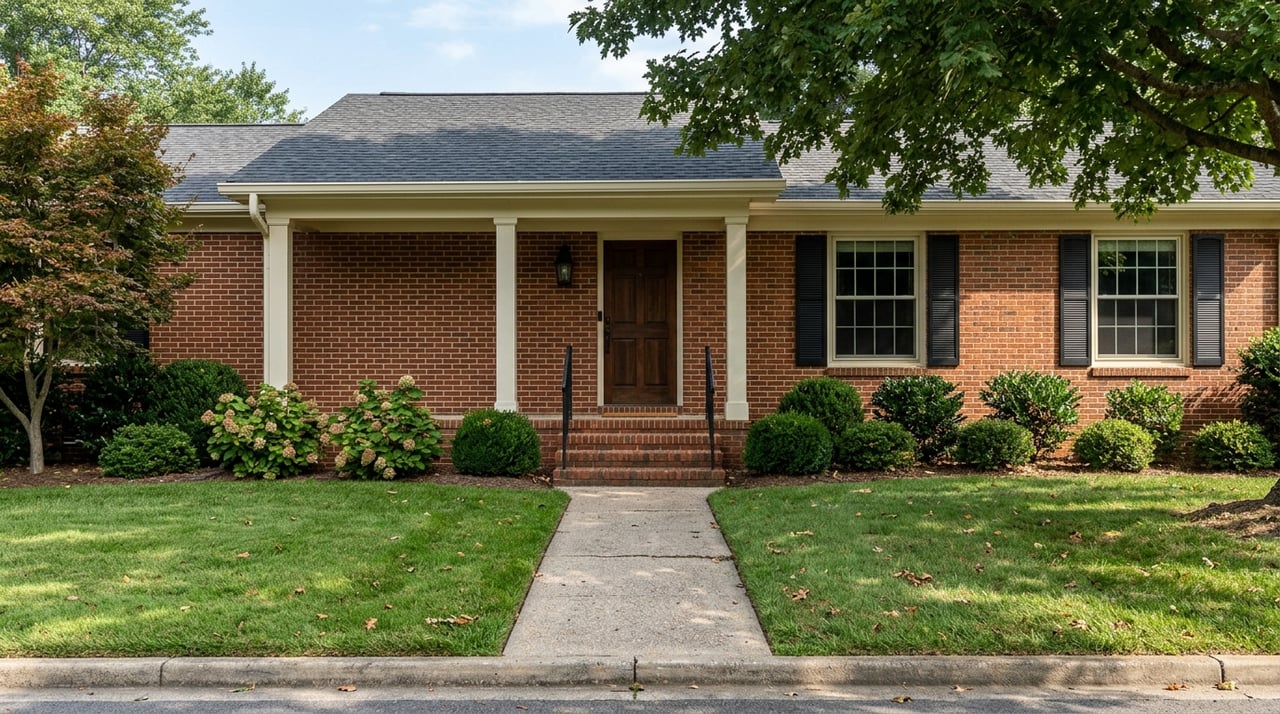
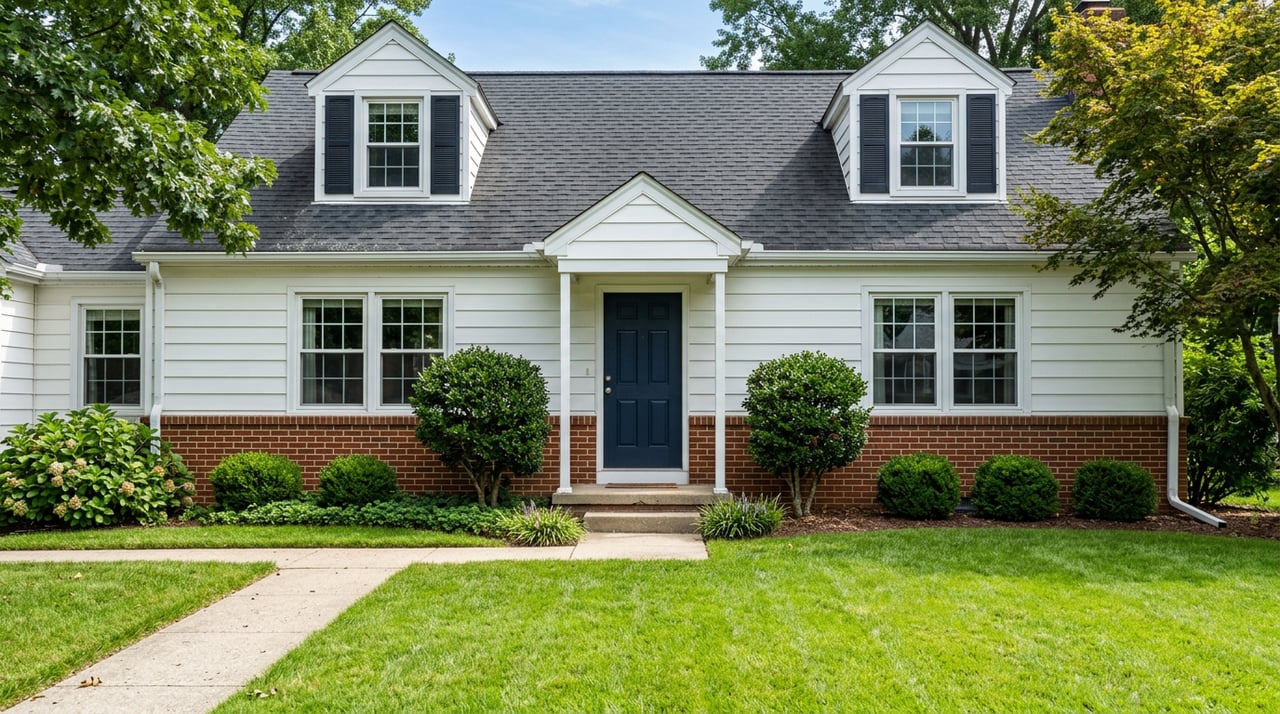
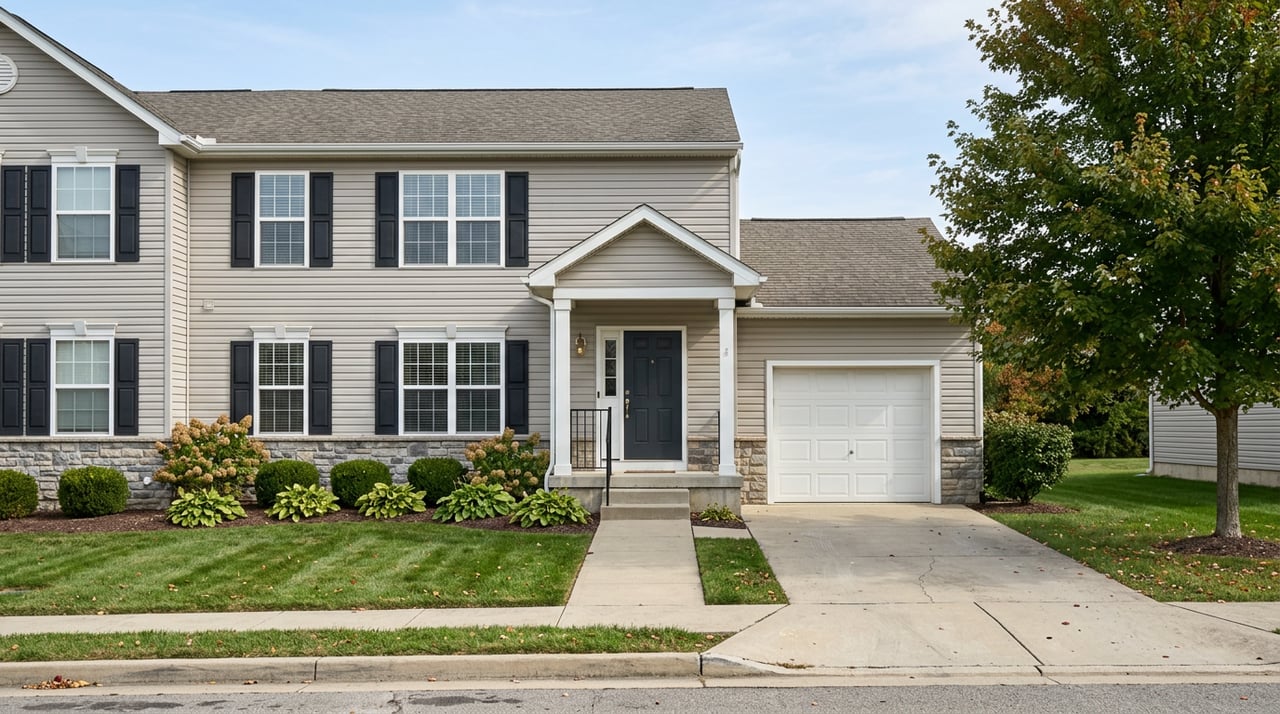
Howard County’s housing stock skews suburban and spacious. County ACS data shows a majority of homes are single-family detached, with a meaningful share of townhomes, and much of the inventory was built from 1980 to 1999. That typically means larger interiors, more bedrooms, garages, and yard space for many buyers. You can scan the county’s housing characteristics in the Maryland Department of Planning’s ACS tables for a clear picture of unit types and year built. Review the county breakdown in the Howard County ACS tables to understand the mix of detached and attached options (Howard County ACS housing characteristics).
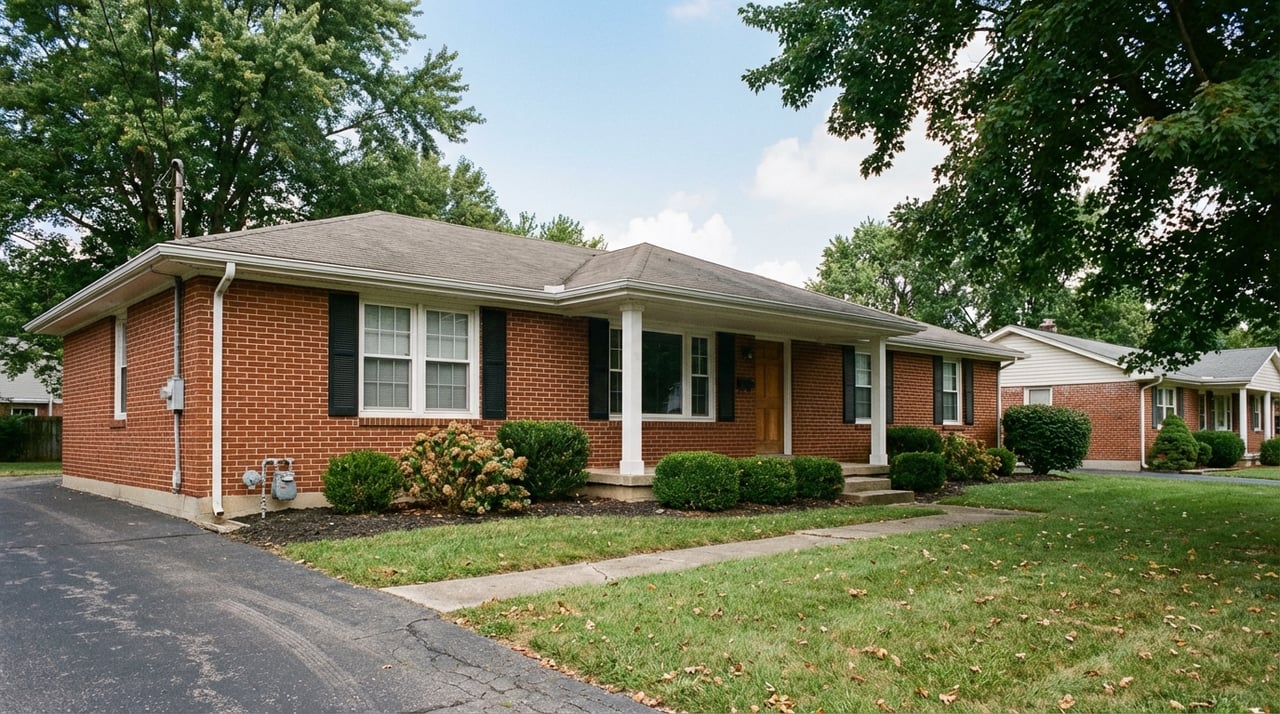
Baltimore City, by contrast, is dominated by attached rowhouses and has a larger share of multi-unit buildings. A greater portion of the city’s housing was built before 1950, which supports denser, block-by-block walkability and smaller lots in many neighborhoods. You can see the city’s unit-type profile and age-of-housing distribution in the ACS tables as well (Baltimore City ACS housing characteristics).
What you may gain or give up
- What you may gain: more interior space and bedrooms, larger lots and yards, quieter streets, and planned communities in places like Columbia that were built with parks and open space in mind.
- What you may give up: immediate walkable access to dense urban retail, restaurants, and nightlife. Many Howard County errands and activities will involve a car, and public transit access varies by neighborhood.
Commute and transit reality
Averages vs your actual route
On paper, the mean one-way commute time is similar when averaged across the county and the city, generally in the high 20 to low 30 minutes range on recent ACS charts (Maryland ACS commute time chart). In real life, your commute depends on the exact home you choose and your work destination. From central Howard County locations like Columbia or Ellicott City, many drivers report roughly 20 to 40 minutes to downtown Baltimore in light to moderate traffic and about 45 to 75 minutes or more to central Washington, D.C. in rush hour, depending on route and conditions. Always test the drive from the actual address during peak times.
Rail and bus options
Howard County offers local bus service through RTA and limited MTA connections, but many neighborhoods, including Columbia, do not have a direct MARC station. The nearest Penn Line MARC stops, such as Dorsey, BWI, or Halethorpe, usually require a short drive or a feeder bus. If you plan to commute by rail, budget time for a first-mile connection and learn the park-and-ride options before you buy.
A quick commuter checklist
- Run live-map drive tests from the property at your typical arrival and departure times.
- Try more than one route and note differences on weather or incident days.
- Identify your nearest MARC or Metro connection and check parking availability.
- Confirm any employer flex days and how they change your location options.
Schools and community context
Public school overview and research steps
Many buyers consider Howard County for its public school system. HCPSS highlights strong districtwide performance on state measures and publishes detailed facts and data for families researching a move (HCPSS district facts). Baltimore City Public Schools includes a mix of higher performing magnet and specialty programs and neighborhood schools with more variable outcomes. The best next step is to compare the specific schools tied to any home you tour and review the official Maryland Report Card pages for school-level metrics (Maryland Report Card). Always confirm current attendance boundaries and any enrollment caps with the school office.
Demographics, income, and ownership
Household economics and tenure also shape day-to-day life. Howard County’s median household income is well above the state median, while Baltimore City’s is substantially lower, based on U.S. Census QuickFacts. That gap helps explain differences you will see in home sizes, renovation patterns, and some public investments. You can review high-level county indicators here (Howard County QuickFacts). Howard County also has a higher owner-occupancy rate, which, combined with more detached homes, creates a different neighborhood feel than many Baltimore City blocks with larger renter shares and attached housing.
Safety and neighborhood due diligence
Baltimore City reports higher violent-crime rates per 100,000 residents at the citywide level than Howard County. Crime is highly local, so compare specific neighborhoods rather than relying on a single headline. Start with county and city dashboards and regional summaries to orient your research, like a statewide comparison page for Baltimore City (crime rate overview). Then check local police tools and walk the area at the times you would normally be out.
Budgeting for the move
Key line items to plan
- Target purchase price and your estimated monthly payment.
- Property taxes using the local rate per $100 of assessed value, plus credits such as the homestead credit. Reference the Maryland FY2025 county and municipal rate table for current rates (Maryland property tax rates).
- Homeowner’s insurance and any additional coverage based on house age and features.
- HOA or condo fees, if applicable.
- Utilities for larger single-family homes, including heating and cooling.
- Commuting costs, including fuel, tolls, parking, or transit fares.
- School research time and any program costs for activities.
Simple property tax illustrations
These examples show why a lower tax rate does not always mean a lower bill.
- Howard County example: At a median price near $535,000 and a total county rate around 1.25 percent, a rough estimate is 535,000 × 0.0125, which is about $6,688 per year.
- Baltimore City example: At a listing median around $230,000 and a city rate near 2.248 percent, a rough estimate is 230,000 × 0.02248, which is about $5,170 per year.
Because Howard County home values are often higher than many Baltimore City listings, the dollar amount of the tax bill in Howard County can be similar to or higher than a city bill despite the lower rate. Always check the current assessment, the exact rate, and available credits before you finalize a budget.
Everyday lifestyle tradeoffs
What changes day to day
In Howard County, you will usually enjoy more private outdoor space, easier parking, and quieter streets. Grocery stores, larger retail centers, and healthcare facilities are well distributed. The tradeoff for many buyers is giving up quick, walkable access to the city’s dense restaurant corridors, arts venues, and nightlife. Transit options are improving but are not as frequent or close at hand in many suburban neighborhoods.
How to pressure-test fit before you move
- Spend a weekend doing your normal errands from a few candidate neighborhoods.
- Track drive times to work, school, and after-school activities.
- Tour parks and recreation areas that you would use most.
- Check HOA rules, lawn size, and maintenance expectations.
- Talk to school offices about enrollment timelines and program availability.
Next steps to find the right fit
- Pick two or three Howard County areas and run identical peak-hour drive tests to your workplace.
- Pull school report cards for the attendance zones tied to homes you tour and confirm policies with school offices.
- Request a recent property tax bill or an assessor estimate for any property you are serious about.
- Compare total cost of ownership, not just the mortgage. Include taxes, insurance, utilities, HOA fees, commuting, and potential updates.
- Line up your financing so you can act quickly when the right home appears.
If you want a clear, data-informed plan for your move from Baltimore City to Howard County, I am here to help. Let’s map your priorities, target neighborhoods that fit, and run the numbers together so you can buy with confidence. Connect with Brian McCarty to get started.
FAQs
Is Howard County more expensive than Baltimore City for buyers?
- Yes. Recent snapshots show Howard County’s median price around $535,000, while Baltimore City’s citywide listing medians were in the low to mid $200,000s, though prices vary by neighborhood and home type.
How long is the commute from Columbia to Baltimore or D.C.?
- Many drivers report about 20 to 40 minutes to downtown Baltimore in lighter traffic and roughly 45 to 75 minutes or more to central D.C. in rush hour, depending on route and conditions.
How do property tax bills compare between the city and Howard County?
- Howard County’s rate per $100 is lower, but higher home values can make the annual bill similar to or higher than a Baltimore City bill; verify with the assessor and current rates.
Are Howard County public schools stronger overall?
- HCPSS reports strong districtwide performance on state metrics, but always check specific school report cards and boundaries on the Maryland Report Card to match your priorities.
Will I need a car in Howard County for daily life?
- Often yes. Transit options exist but are more limited and dispersed than in many Baltimore City neighborhoods, so plan for driving to errands and to reach MARC stations if you commute by rail.