Thinking about buying in Timonium or Lutherville but not sure where to start? You are not alone. These Baltimore County suburbs offer a wide mix of homes, solid commute options, and a market that shifts by price point and condition. In this guide, you will see what homes cost, what styles you will find, how commuting works, and how to write a strong Maryland offer that fits this micro-market. Let’s dive in.
Why consider Timonium and Lutherville
You get classic suburban neighborhoods with mature trees, shopping along York Road, and quick access to I-83. The Maryland State Fairgrounds sit right in Timonium, which brings seasonal events and occasional traffic near the venue. Towson’s hospitals, services, and retail are a short drive south. If you want options across townhomes, condos, and single-family homes at mid-market prices, this area delivers.
What homes cost today
Expect mainstream prices with a wide middle. A practical range for many homes falls in the mid-$400Ks to low-$600Ks, depending on neighborhood, size, and updates. Various trackers show medians in the mid-$400Ks to mid-$500Ks recently, while some local MLS snapshots report higher averages for certain segments. Use these as broad guardrails, then zero in on recent sold comps for your target street and house type.
Market pace varies by month and price tier. Move-in-ready homes at the lower end of a neighborhood’s range can draw faster offers, while dated or smaller properties may sit longer and leave more room to negotiate. Volume shifts across townhouses, condos, and single-family homes, so it pays to compare like for like when you price or bid.
What you will find
Home types and ages
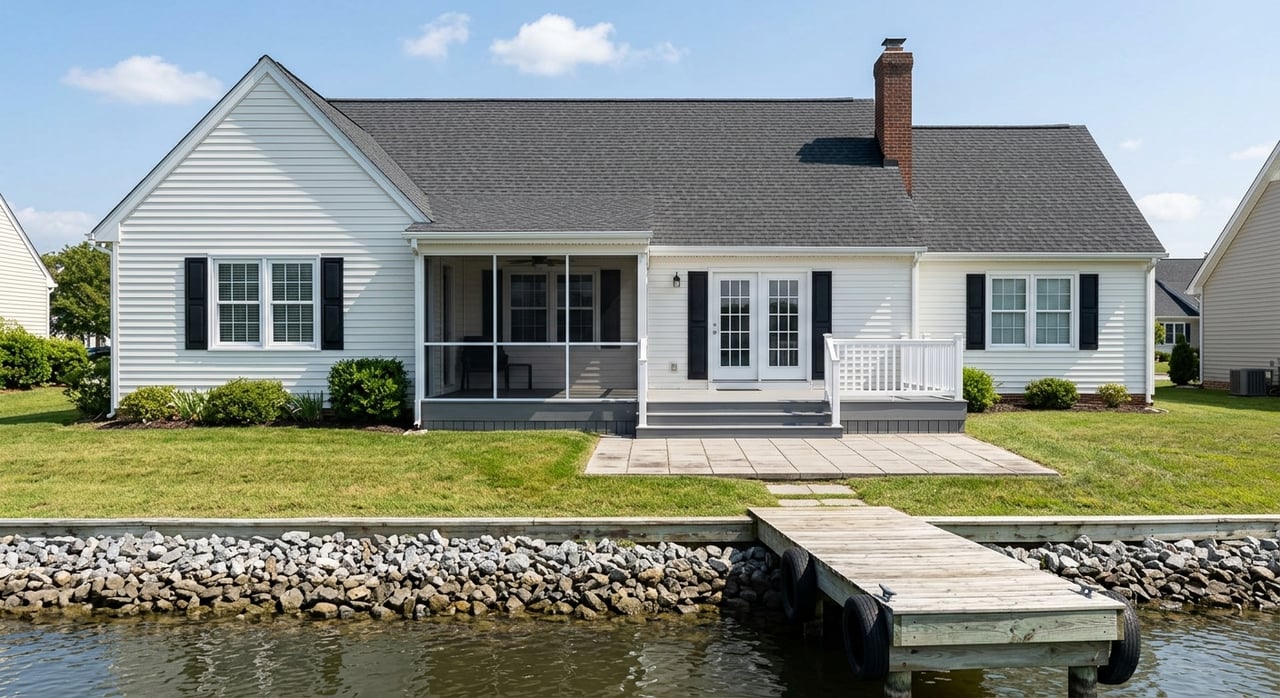
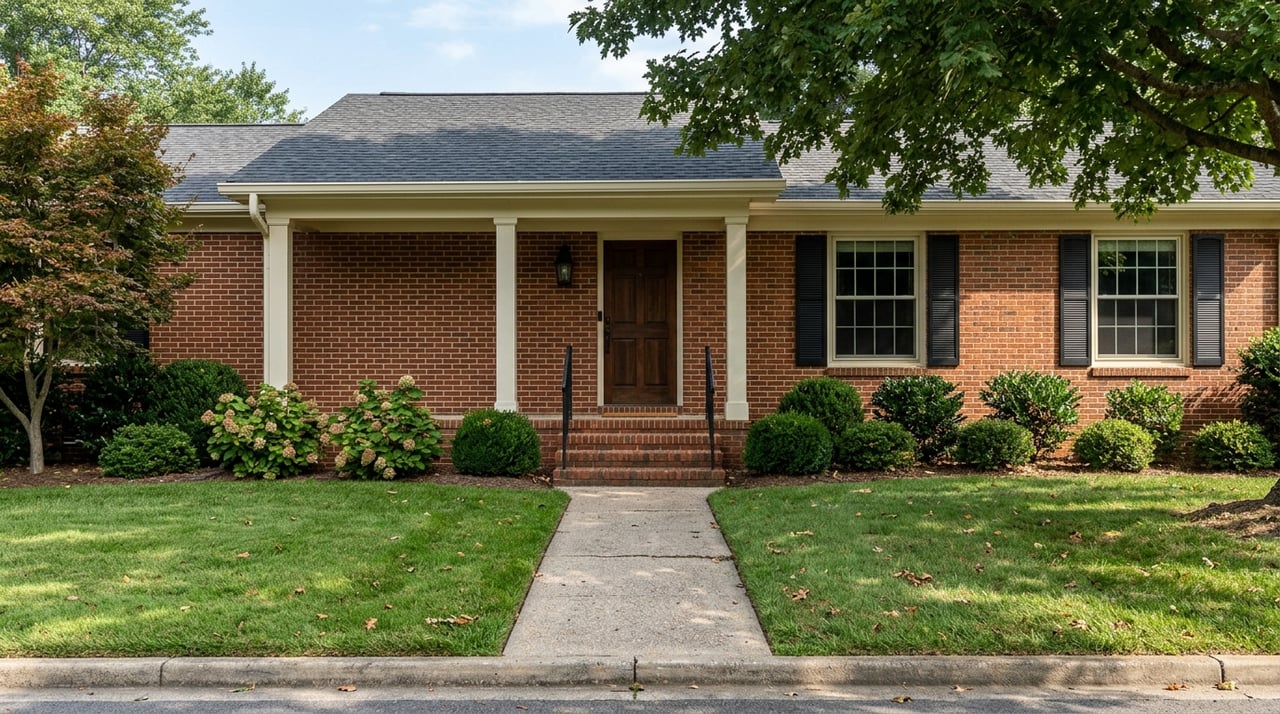
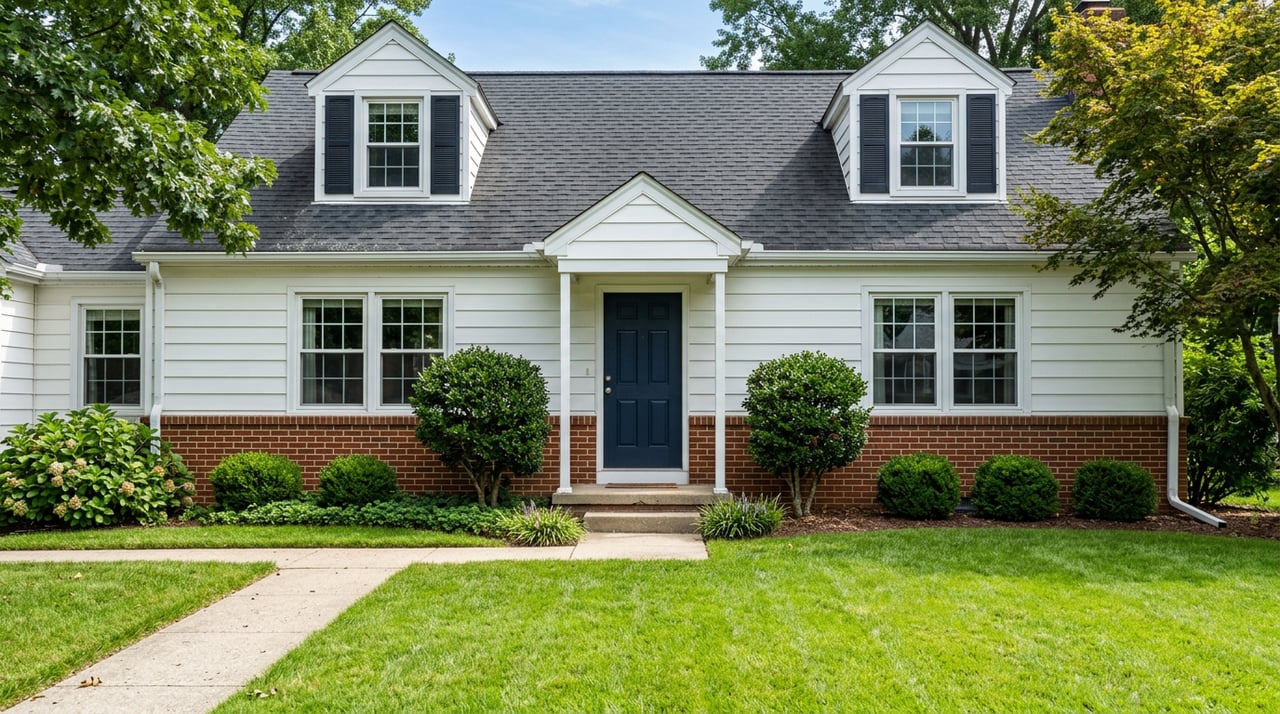
You will see a true mix. Lutherville includes a recognized historic district with late 19th and early 20th century styles, including Colonial Revival and Victorian architecture. Elsewhere in both towns you will find mid-century ranches, split-levels, postwar colonials, and scattered newer infill. If you love older character or simply want a practical 1960s–1970s split-level with good bones, you have options. For a deeper look at the historic area’s background, read about the Lutherville Historic District.
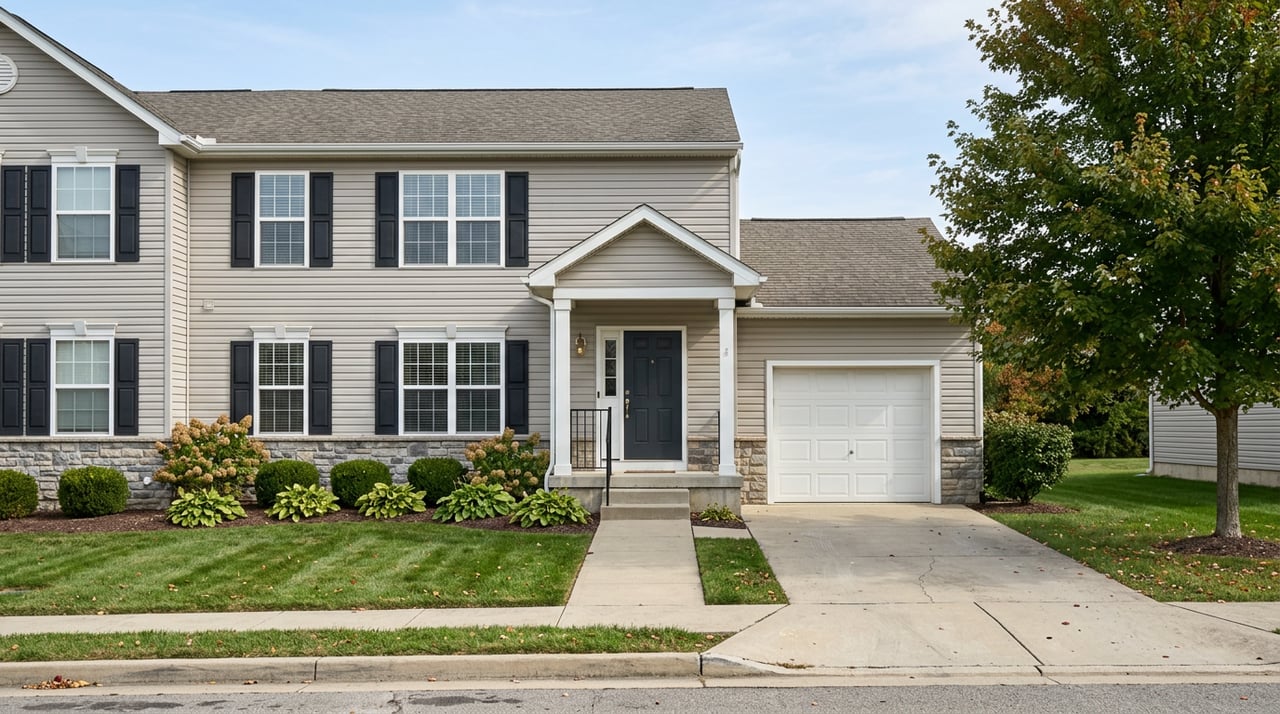
Price by type tends to follow a simple pattern. Condos and townhomes often fall on the lower end for the area. Entry to mid-range single-family homes commonly land in the mid-$400Ks to low-$600Ks, with higher-end custom homes and small enclaves above that. Let recent sold comps for your specific house type guide decisions.
Neighborhood feel and amenities
Daily life centers on York Road for errands and dining, plus nearby shopping in Towson. Outdoor time is easy with Lake Roland and other county parks in the broader area. The Maryland State Fairgrounds anchor major events, so plan around fair week if you live or commute near the venue. The area reads as quiet, established suburban with pockets of historic charm and tree-lined streets.
Commute and transit options
Driving via I-83
I-83 is the main north-south route serving Timonium and Lutherville. In normal traffic, the drive to downtown Baltimore is roughly 20 to 30 minutes. As always, peak hours can stretch that, so check a routing tool for current conditions before you commit to a schedule. For quick trip planning and alternatives, compare options with Rome2Rio’s Lutherville to Baltimore routes.
Light Rail and regional rail
The MTA Light RailLink has stations at Timonium Fairgrounds, Timonium Business Park, and Lutherville. If you can reach a station by foot, bike, or short drive, commuting into downtown Baltimore by rail is a practical choice. Explore station locations and schedules on the MTA Light RailLink page.
For Washington, D.C. commutes, most buyers drive to a MARC or Amtrak origin such as Baltimore Penn Station, or split the trip by car and regional rail. Plan on an hour-plus by car in typical peak traffic, often longer. If you are DC-bound more than occasionally, test-drive the route at your expected commute times.
Making a strong offer
Maryland contract basics
Maryland uses standardized Residential Contract of Sale forms that include important default terms and addenda. Sellers must provide a property condition disclosure or a disclaimer under state law, so you should expect either a completed disclosure or an “as-is” statement and plan due diligence accordingly. For an accessible overview of the standard MAR contract and key provisions, read this plain-language guide from a Maryland law firm.
Typical contingencies and timelines
Local practice can vary, but here is what many buyers see in Maryland:
- Earnest money: commonly 1–3% of the purchase price. The contract names the escrow holder and timing for deposit delivery. See a Maryland buyer overview with norms on deposits and timelines at this state-specific guide.
- Inspection period: often 7–10 days for a general home inspection. Some buyers extend to 10–14 days when specialty testing is needed. You can negotiate repairs or credits under the inspection addendum.
- Appraisal contingency: unless waived, a low appraisal can trigger renegotiation. In competitive cases, buyers sometimes add appraisal-gap language, but that raises your cash exposure.
- Closing timeframe: 30–45 days is common, though you can go shorter or longer when both sides agree.
Recent MAR form updates place more emphasis on deposit timing. It helps to be precise in your offer about how and when funds will be delivered to escrow. For context, review a short note on deposit timing in the MAR form from a local title company here.
Tactics that can help you win
- Bring a current lender pre-approval or proof of funds with your offer.
- Offer a clear, reasonable earnest-money amount and exact deposit timing.
- Use clean, specific timelines for inspections and financing.
- Consider an escalation clause or appraisal-gap language when comps support it, and set firm caps you are comfortable with.
- Stay flexible on closing date or offer a short rent-back if the seller needs time to move.
Each of these choices has tradeoffs. A stronger, cleaner offer often costs you more certainty or cash. Your agent should help you balance risk against your budget and comfort.
Closing costs and taxes
In Baltimore County, expect to see a county transfer tax of 1.5% of the purchase price, plus state recording fees, title insurance, lender charges, and prepaid items for taxes and insurance. The county’s deed transfer and recordation page explains the transfer tax and process in detail. You can review it here: Baltimore County Deed Transfer and Recordation.
For property taxes, the county’s real property tax rate has recently been listed at $1.10 per $100 of assessed value. Always confirm the current fiscal-year rate and your specific assessment. Find the latest published rates on the Baltimore County tax rates page.
Total buyer closing costs vary by loan type and purchase price, but they often run several thousand dollars. Your lender’s Loan Estimate will give a clearer number once you are under contract.
Inspections to budget for
Older suburban Baltimore homes can bring common to-do items. Typical concerns include roof age, HVAC life cycle, electrical panel updates, and water intrusion in basements. Radon testing is also a common add-on in Baltimore County, and wood-destroying insect inspections are routine. If the property has private systems like a well or septic, plan for those tests too.
A smart approach is to price in a small repair reserve after your general inspection. That way you are ready for near-term fixes even if you secure credits or repairs during negotiations.
Plan at the address level
Every address is different. Before you fall in love, run these checks:
- School enrollment: Boundary lines shift and can be nuanced near dividing streets. Confirm eligibility for specific schools directly with Baltimore County Public Schools using the BCPS schools page.
- Property tax estimate: Review assessed value and current rates so your monthly budget is accurate. Use the county’s tax rates page for official figures.
- Flood zone: Verify whether the home sits in a mapped flood area and whether your lender will require flood insurance. Search the FEMA Map Service Center’s National Flood Hazard Layer here.
- Commute reality check: Test-drive your route at your expected times, or compare routes with a travel planner like Rome2Rio.
Next steps
If you are early in your search, start broad. Spend a weekend touring open houses in both towns to compare home types and streets. Build a short list of addresses you like, then pull recent sold comps for that exact pocket and house style. Finally, map your commute, confirm school eligibility, and review a sample offer package with your agent so you are ready when the right home appears.
If you want a local, data-informed plan for Timonium and Lutherville, I can help you narrow your search, preview new listings, and structure a smart offer that fits your goals. When you are ready, connect with Brian McCarty to schedule a free consultation.
FAQs
What are typical home prices in Timonium and Lutherville?
- Many homes fall in the mid-$400Ks to low-$600Ks, with medians in the mid-$400Ks to mid-$500Ks depending on house type, condition, and the exact neighborhood.
How long is the commute from Timonium or Lutherville to downtown Baltimore?
- In normal traffic, plan roughly 20 to 30 minutes by car via I-83, and consider the MTA Light RailLink for a rail alternative to downtown stations.
Are there public transit options in Timonium and Lutherville?
- Yes. Light RailLink stops at Timonium Fairgrounds, Timonium Business Park, and Lutherville; check stations and schedules on the MTA site for current service.
What contingencies do Maryland buyers usually include?
- Common items include a 1–3% earnest-money deposit, a 7–10 day inspection period, an appraisal contingency unless waived, and a 30–45 day closing timeline.
What closing costs should I expect in Baltimore County?
- Expect the county transfer tax at 1.5% of the purchase price, plus state recording fees, title insurance, lender fees, and prepaids for taxes and insurance.
How do I confirm which schools serve a specific address?
- Check enrollment directly with Baltimore County Public Schools and verify the address on the BCPS site since boundaries can change or be nuanced near edges.
What inspections are most important for older suburban homes here?
- A general home inspection plus targeted checks like radon, wood-destroying insects, and, where applicable, well and septic evaluations are typical.