Wondering whether Anne Arundel County checks the right boxes for your next move? If you want a place with water access, a range of housing options, and connections to both Baltimore and Washington, this county deserves a closer look. Here’s what you should know about daily life, housing, commuting, and overall fit before you decide. Let’s dive in.
What Anne Arundel County Offers
Anne Arundel County sits in the Baltimore-Washington corridor and includes Annapolis, Maryland’s state capital and the county seat. According to Anne Arundel County government, it is one of Maryland’s most centrally located counties and has a strong Chesapeake Bay identity.
That location shapes a lot of what daily life looks like. You get access to regional job centers, a large park system, and more than 533 miles of coastline. For many buyers, that mix is the county’s biggest draw.
The county has also grown in recent years. The 2024 population estimate was 602,350, up from 588,261 at the 2020 Census, which points to continued demand and broad appeal.
Everyday Life in Anne Arundel County
Anne Arundel County often appeals to people who want more than a typical suburban setup. The county combines waterfront recreation, established communities, and access to major employment hubs. That gives you a lot of flexibility in how you want to live.
If you enjoy time outdoors, the county offers much more than scenic views. County officials highlight two state parks, four regional parks, 95 community and neighborhood parks, 119 school recreation parks, and 34 special-use areas, along with trail systems like the B&A Trail, BWI Trail, Broadneck Peninsula Trail, and WB&A Trail.
The waterfront is a real part of local life here. The county says residents enjoy boating, fishing, crabbing, water skiing, sailing, and swimming, and county parks include more than 5,300 acres of waterfront access for fishing. Programs like River Days also show how water access is built into community recreation.
Annapolis Adds a Distinctive Layer
One reason Anne Arundel County stands out is Annapolis. While much of the county has a suburban feel, Annapolis adds a more historic, walkable, and place-specific experience.
The city describes Historic Downtown Annapolis as a one-square-mile National Historic Landmark with brick streets, historic homes, a harbor setting, government offices, St. John’s College, and the U.S. Naval Academy. Areas like Eastport are known for maritime activity, while Forest Drive is described by the city as blending urban and suburban convenience.
For you as a buyer, that means Anne Arundel County is not one-note. Some areas lean more waterfront and historic, while others feel more suburban and commuter-oriented.
Housing Options Across the County
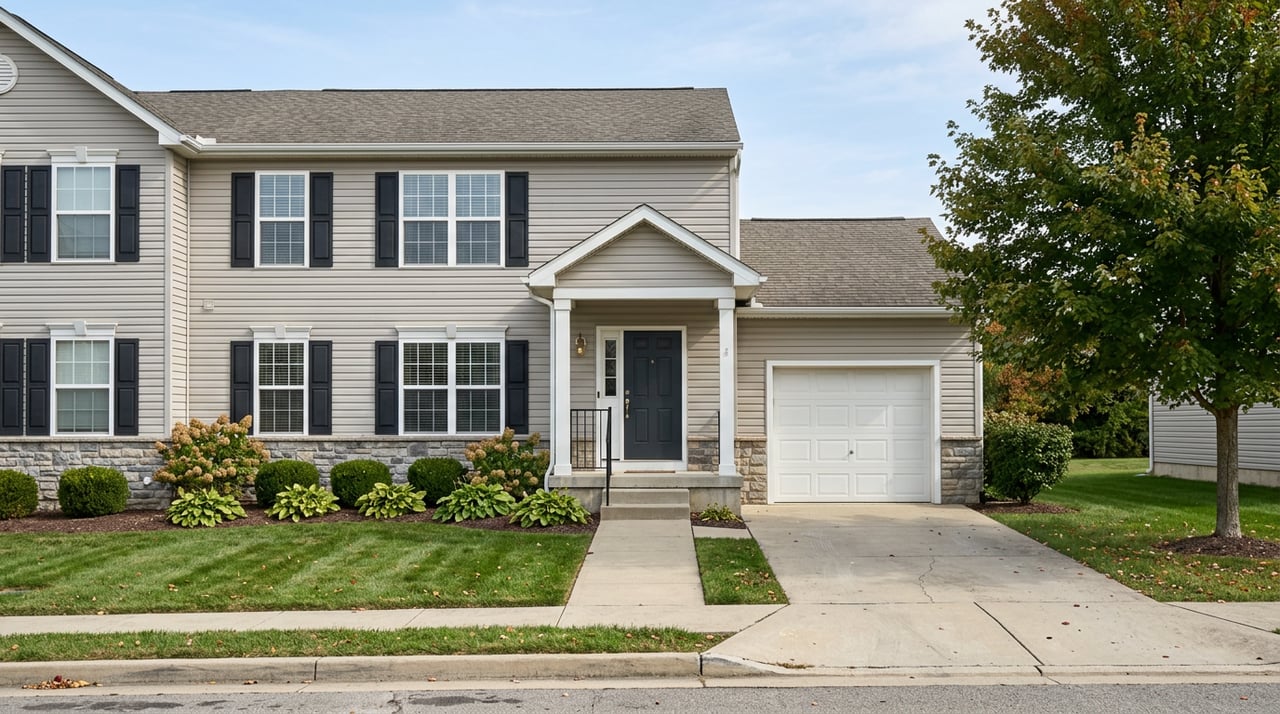
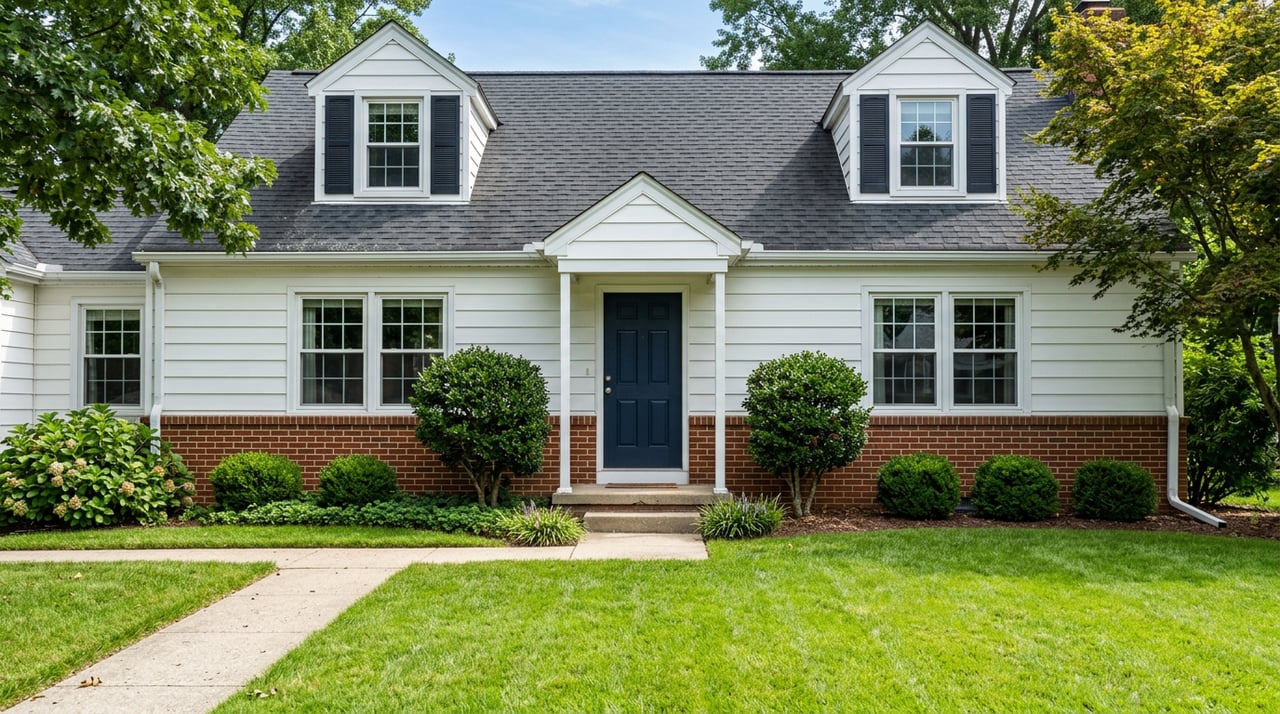
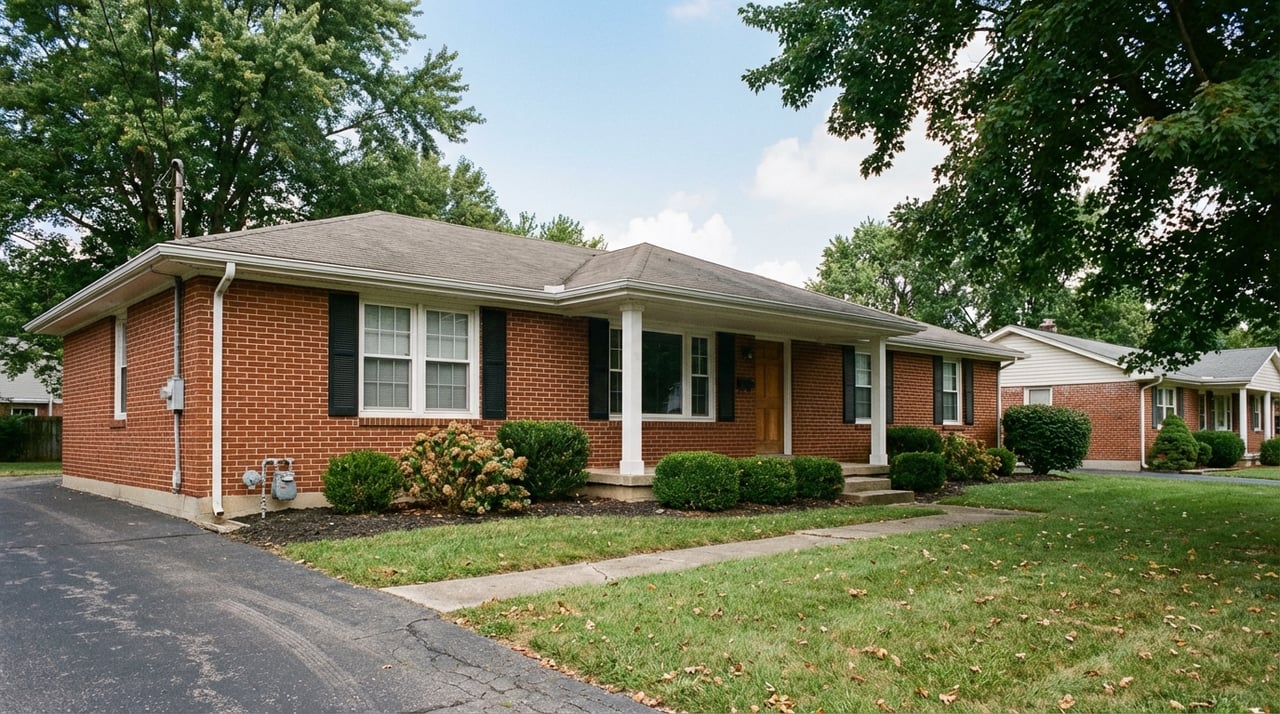
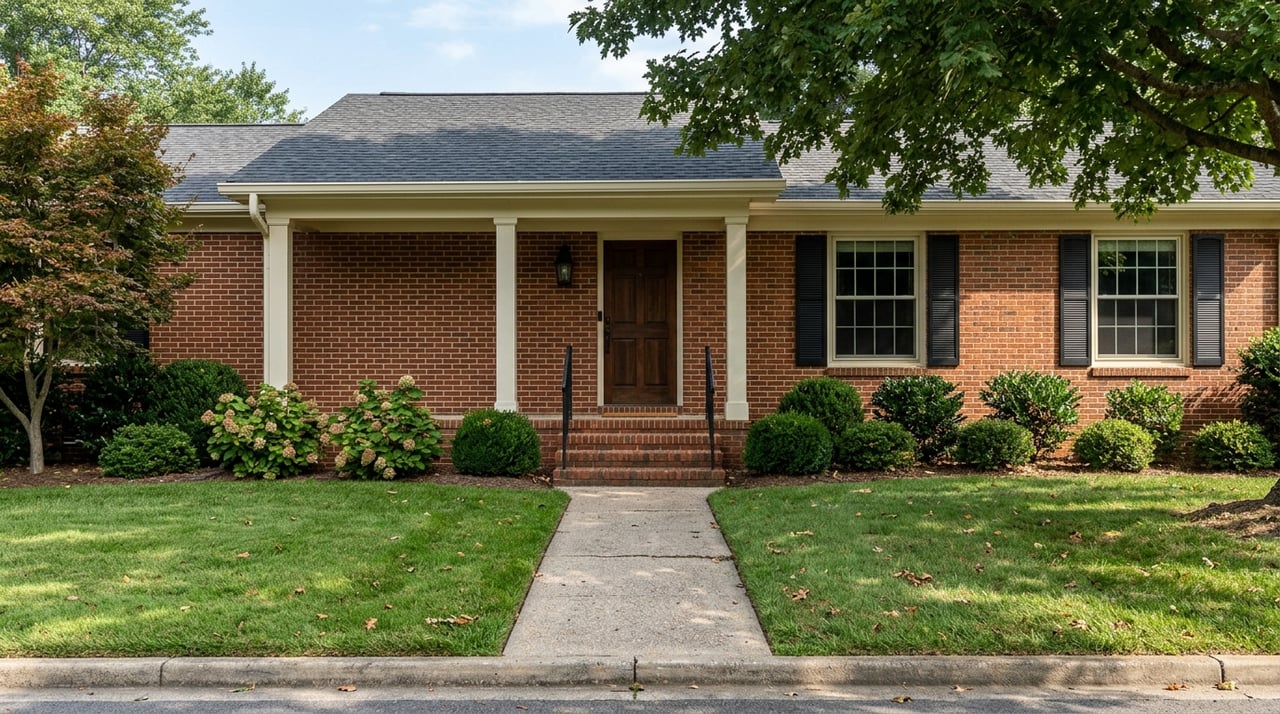
If housing variety matters to you, Anne Arundel County offers a broad mix. County permitting and licensing information supports a housing stock that includes detached homes, attached homes, and multifamily rental options, rather than just one dominant type.
That flexibility can help whether you are buying your first home, moving up, downsizing, or renting before you buy. You can explore different home styles and living patterns depending on your budget, commute, and lifestyle goals.
The county’s housing profile also shows a strong ownership base. The owner-occupied housing unit rate was 75.1%, with 238,402 housing units reported and 1,304 building permits issued in 2024.
Here’s a quick snapshot of a few countywide housing figures:
| Housing metric | Anne Arundel County |
|---|---|
| Median owner-occupied home value | $467,900 |
| Median monthly owner costs with mortgage | $2,454 |
| Median gross rent | $2,071 |
| Owner-occupied housing rate | 75.1% |
These numbers do not tell the full story of every neighborhood, but they do give you a helpful baseline as you compare Anne Arundel County with other Maryland options.
What the County Feels Like Day to Day
A county can look great on paper and still feel wrong in real life. Anne Arundel County’s everyday rhythm is shaped by a blend of residential stability, regional access, and varied community settings.
According to the U.S. Census Bureau, the average household size was 2.60 persons, and 88.5% of residents had lived in the same home for at least one year. That suggests a relatively stable housing environment.
The same Census profile reported a median household income of $124,911, a poverty rate of 6.6%, and that 45.8% of adults age 25 and older held a bachelor’s degree or higher. For many movers, those figures help paint a picture of a well-established county with strong household connectivity and a broad professional base.
Commute and Transportation Considerations
Your experience in Anne Arundel County can vary a lot depending on where you live and where you work. Some households rely mainly on highways, while others benefit from bus service, rail access, or proximity to major regional hubs.
The county’s mean travel time to work was 28.9 minutes. Major travel corridors include US 50, MD 2, I-97, MD 32, MD 100, MD 295, and MD 3, which helps explain the county’s strong commuter appeal.
Anne Arundel County also offers fare-free county transit. Local transportation options include fixed-route service, the Passio GO app for real-time bus tracking, and on-demand South County and North County Call N’ Ride service, along with regional connections like MARC Train, MTA Light Rail, and Amtrak.
That mix can be especially useful if you work in different parts of the Baltimore-Washington corridor or want access to BWI and other regional destinations.
Employment Access Matters Here
For many buyers and relocating households, Anne Arundel County works because it is tied to multiple job centers instead of just one. County economic reporting points to BWI Airport, Fort Meade, Annapolis, Arundel Mills, regional hospitals, and industries such as trade, transportation, utilities, government, professional services, education, health services, construction, and finance.
That diversity matters because it supports different kinds of commute patterns and housing choices. You may want to prioritize water access, a central location, or simpler highway access depending on your work routine.
Is Anne Arundel County a Good Fit for You?
Anne Arundel County may be a strong fit if you want a county that blends Chesapeake recreation, suburban housing variety, and access to major regional destinations. It can also make sense if you like having options, whether that means historic Annapolis, trail access, waterfront activities, or a range of home types.
It may be especially worth a look if you are relocating and want to stay connected to the broader Baltimore-Washington area. The county’s central location, transit options, and major highway network can support several different lifestyles.
At the same time, the right fit depends on your priorities. Your ideal area within Anne Arundel County may look very different depending on whether you care most about commute patterns, access to recreation, housing style, or proximity to Annapolis and other major destinations.
If you are thinking about a move and want help narrowing down where Anne Arundel County fits into your search, working with a local advisor can save you time and help you compare options with more confidence. If you want a practical, neighborhood-focused perspective on your next move, connect with Brian McCarty to schedule a free consultation.
FAQs
What is Anne Arundel County known for?
- Anne Arundel County is known for its Chesapeake Bay setting, more than 533 miles of coastline, Annapolis, broad park and trail access, and its central location in the Baltimore-Washington corridor.
What types of homes are available in Anne Arundel County?
- Anne Arundel County has a mix of single-family detached homes, single-family attached homes, and multifamily rental options, giving you a range of choices depending on your budget and lifestyle.
What is the commute like in Anne Arundel County?
- Commutes vary by location, but the county’s mean travel time to work was 28.9 minutes, and many residents use a mix of major highways, county transit, rail connections, and access to regional hubs.
Is Anne Arundel County good for outdoor recreation?
- Yes. The county offers extensive recreation options, including parks, trail systems, waterfront activities, fishing access, and water-focused community events like River Days.
Does Anne Arundel County offer public transit options?
- Yes. Anne Arundel County Transit is fare-free and includes local bus service, on-demand Call N’ Ride service, real-time tracking through Passio GO, and connections to MARC Train, MTA Light Rail, and Amtrak.