Thinking about swapping Beltway traffic for Berks County’s mix of small cities, suburbs, and rolling countryside? You’re not alone. Many Maryland buyers look north for more space, varied housing, and new commute patterns. In this guide, you’ll learn how Berks County works, what changes when you buy in Pennsylvania, how to plan your move timeline, and where to focus your home search. Let’s dive in.
Why Berks County appeals to Maryland movers
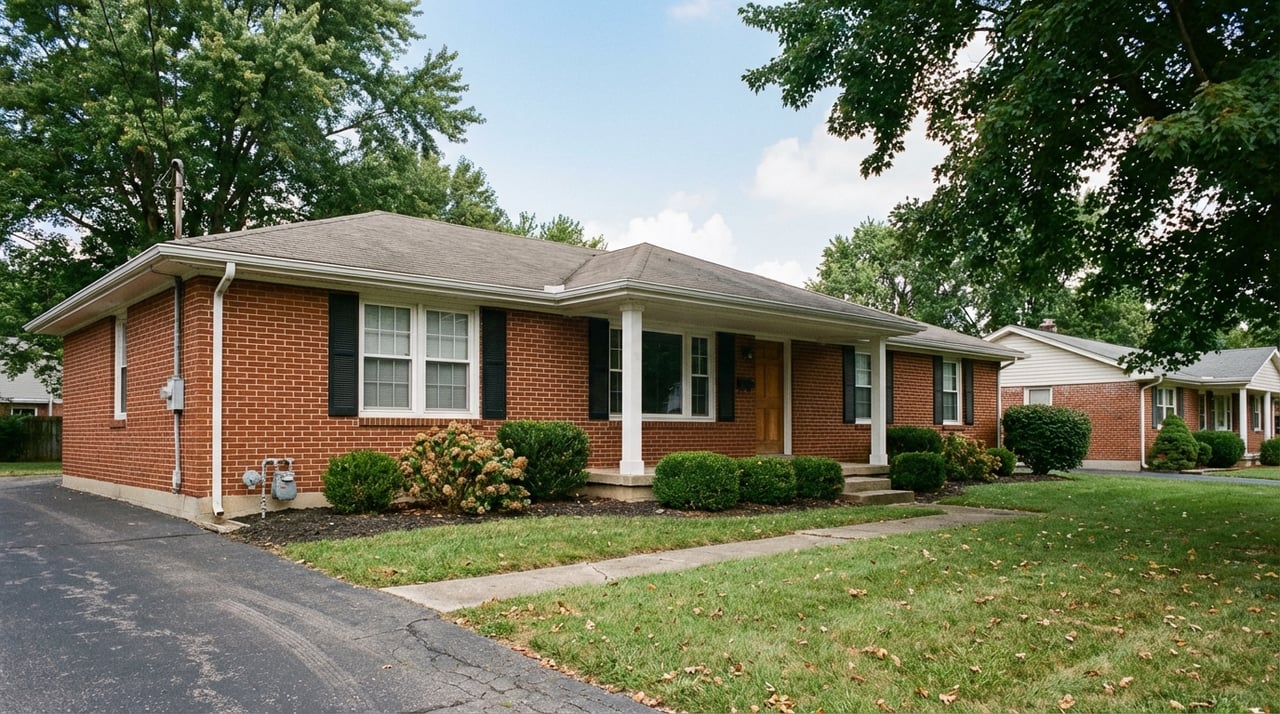
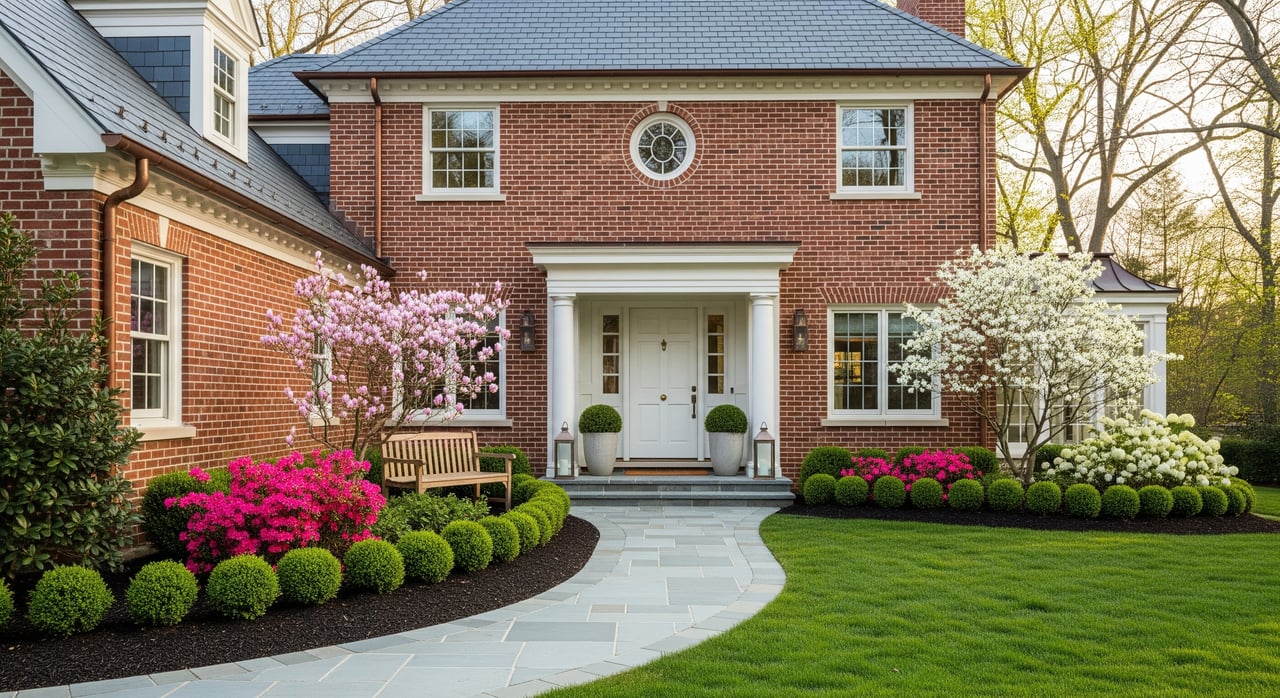
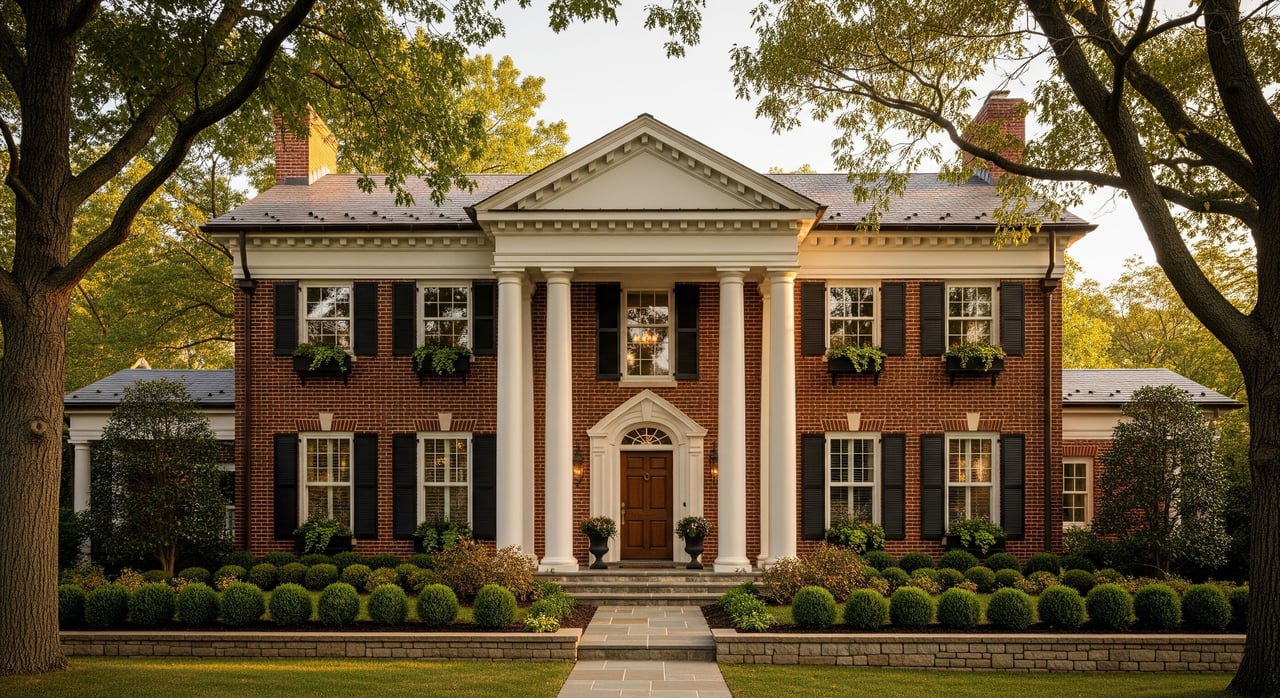
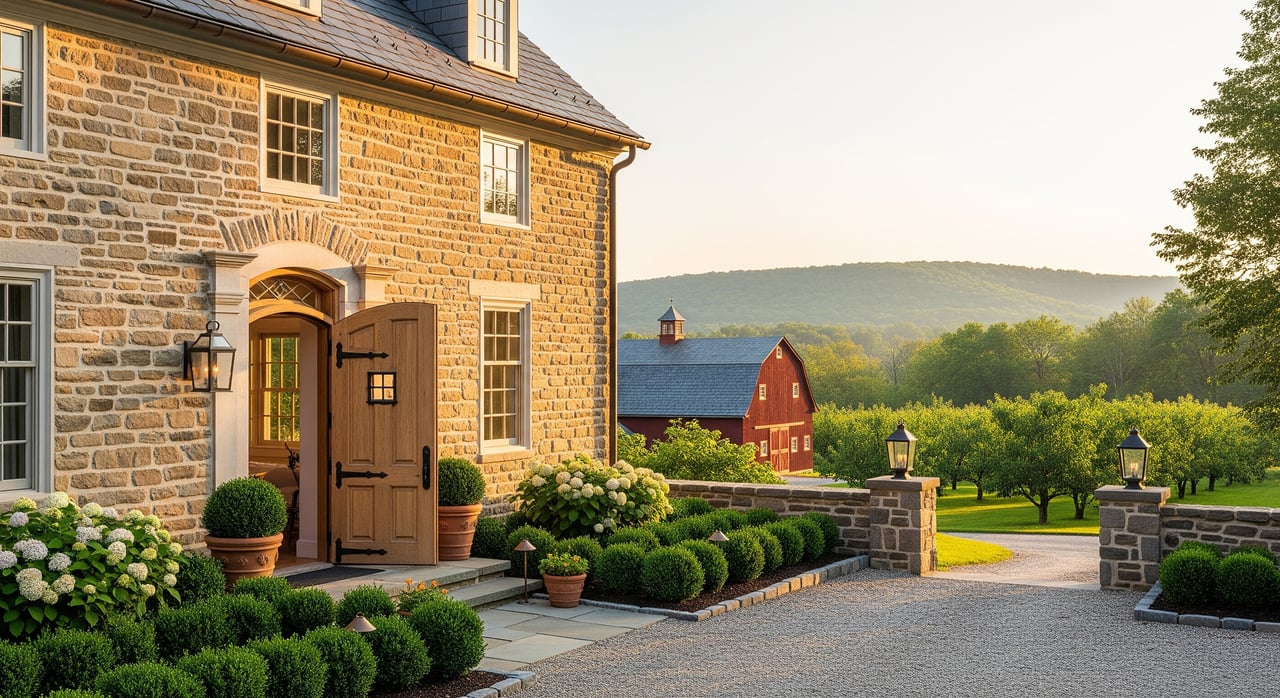
Berks County offers a wide range of housing types and settings. You’ll find older brick row and twin homes in Reading and nearby boroughs, mid‑century single‑family homes in suburban areas, newer subdivisions along key corridors, and rural properties with acreage in eastern and northern townships.
Affordability has historically been stronger than many Maryland suburban counties like Montgomery, Howard, and parts of Baltimore County. That said, prices and property taxes vary widely from town to town. Focus on specific municipalities and school districts rather than county averages as you compare options.
If you want a smaller city feel and walkable blocks, Reading and its immediate neighbors offer shorter local commutes and lower entry prices. If you need more space and suburban convenience, look to Wyomissing, West Reading, or Exeter. If you’re after acreage or equestrian potential, rural townships around the Oley Valley and beyond can fit the bill.
Where to live in Berks County
Reading and nearby suburbs
Reading is the county’s largest city with a core of older single‑family homes, town blocks, and a strong rental market. It suits first‑time buyers and anyone who values walkability to borough amenities. Close‑in suburbs like Wyomissing, West Reading, and Shillington add a more suburban feel with shopping and medical centers nearby.
If you plan to commute toward the Philadelphia region, areas along the Route 422 corridor can help streamline daily drives. For those working in Reading, staying near downtown or these immediate suburbs keeps travel times predictable.
Northern and eastern boroughs
Kutztown blends college‑town energy with established neighborhoods, which can work well if you like small‑town main streets and campus amenities. Boroughs such as Hamburg, Fleetwood, Boyertown, and Birdsboro offer varied housing ages and styles with a classic small‑town feel.
These communities draw buyers who want a quieter pace while staying connected to regional job centers. You’ll find a mix of older homes and mid‑century properties, with pockets of newer construction in surrounding townships.
Rural and exurban options
Exeter, Sinking Spring, Muhlenberg, and Bern Township sit near the Route 222 and I‑176/Route 422 corridors, which makes them convenient for regional travel. For more land and privacy, Oley, Amity, and other rural townships feature older farmhouses, on‑lot septic systems, and wells.
Rural buyers should expect longer drives for shopping and services and be ready for well, septic, and outbuilding maintenance. If you want room for hobbies, horses, or a workshop, these areas offer opportunities you may not find in denser Maryland suburbs.
Commute realities and transportation
Berks County is primarily car‑oriented. Outside Reading and a few borough centers, daily life usually means driving. If you rely on transit today, expect a shift to more personal vehicle use.
Major corridors include U.S. Route 222 for north‑south travel and U.S. Route 422 for east‑west trips toward King of Prussia and the Philadelphia area. You can also reach I‑78 and the Pennsylvania Turnpike for broader regional access. Drive times vary with traffic, so run peak‑hour tests from each target neighborhood.
Local bus service is provided by BARTA in and around Reading. Coverage is limited compared with large suburban rail networks. There is no direct SEPTA regional rail service into most of Berks County today, and many commuters drive to park‑and‑ride lots outside the county. If you currently commute to Baltimore or Washington, daily trips from Berks are generally impractical. Many movers shift jobs to the Philadelphia, Lehigh Valley, or Lancaster markets, or rely on remote and hybrid work.
Buying in Pennsylvania vs Maryland
Moving across state lines means you’ll see different documents, customs, and inspection expectations. Plan ahead so your contract and due diligence keep you protected.
Contracts and who is involved
In Pennsylvania, purchase agreements typically use standardized forms from the state REALTOR association. Attorneys often review documents and may attend settlement. Some closings use an attorney for each side, while others work through title or settlement companies.
Retain a Pennsylvania‑licensed agent and a local real estate attorney early. This team will clarify language, timelines, and how closing costs are typically allocated in your target municipality.
Earnest money and escrow
Earnest money deposits are customary. The deposit can be held in an attorney trust account, a title company escrow, or a brokerage trust account. Confirm who holds your funds and what happens if either party defaults.
Ask your agent to map out deposit deadlines and how they align with contingencies. Clear expectations help protect your money as you move through inspections and financing.
Inspections that matter in Berks
Common contingencies include financing, appraisal, and inspections. In Berks County, buyers often add tests for environmental and on‑site systems.
Key items to consider:
- General home inspection
- Radon testing given Pennsylvania’s geology
- Well water quality testing if the property uses a private well
- Septic system inspection for on‑lot sewage
Municipalities can have specific requirements for on‑lot systems, so confirm local rules early and schedule qualified inspectors within the contingency period.
Title, transfer taxes, and closing timeline
Title searches and title insurance are standard. Who pays for title insurance and various closing costs can vary by county and municipality. Real estate transfer taxes and recording fees also differ locally. Your title company and attorney will provide current figures and typical allocations for the specific town.
Closings commonly run 30 to 60 days from contract acceptance, depending on financing and contingency timelines. Lenders will use local comparable sales for appraisals and may require additional inspections for well or septic, depending on your loan program.
Permits and historic areas
If you plan renovations, check municipal permitting rules and any historic‑district restrictions, especially in older boroughs and parts of Reading. Requirements can vary, so verify before you budget or schedule contractors.
Costs to plan for in Berks County
Property taxes vary by municipality and school district, with school taxes often forming the largest share. Review millage rates for specific towns as you compare options.
Pennsylvania levies a state income tax, and some municipalities or school districts impose local earnings taxes. Check current rules with the Pennsylvania Department of Revenue and local tax offices as part of your financial planning.
Homeowners insurance can vary by property age and type. Older homes may need updates or special coverages. Utility providers differ by address; many boroughs have municipal water and sewer, while rural properties use private wells and septic systems with ongoing maintenance costs.
Step‑by‑step moving timeline
6 to 12 months out
- Research neighborhoods and visit in different seasons.
- Test commute routes at peak times for your likely job location.
- Interview Pennsylvania‑licensed agents in Berks County and request neighborhood market snapshots.
- Get mortgage pre‑approval to set your price range.
3 to 6 months out
- If selling in Maryland, prep your home for market with repairs and staging.
- Start active tours in Berks and compare property taxes, insurance, and utilities by town.
- Identify likely inspections for your target homes: general, radon, well, and septic.
- Gather moving quotes and start school enrollment planning if applicable.
30 to 60 days after you go under contract
- Complete inspections and negotiate repairs or credits.
- Finalize loan underwriting and confirm closing cost allocations.
- Book movers, transfer utilities, and set up water, sewer, electric, and gas accounts.
- Update addresses and begin Pennsylvania residency tasks.
2 weeks to 1 week before moving
- Confirm mail forwarding and change of address.
- Transfer prescriptions, healthcare providers, and school records.
- Verify final meter readings and settlement logistics.
After arrival
- Register to vote and update driver’s license and vehicle registration according to PennDOT timelines.
- Review trash and recycling schedules and any municipal rules.
- Connect with neighbors and locate the nearest municipal and school district offices, plus emergency services.
Schools, healthcare, and lifestyle
School districts are a key driver for many buyers. Berks includes districts such as Reading, Wyomissing Area, Kutztown Area, Boyertown Area, Exeter Township, Muhlenberg, and Oley Valley. For current performance data and enrollment details, review official school reports and district sites.
Healthcare access is anchored by Reading Hospital and other regional centers. If specialized care matters, focus on proximity to Reading and larger boroughs. For recreation, you’ll find parks, trails, historic sites, and community festivals, with easy reach to the Philadelphia and Lehigh Valley cultural scenes.
Higher education adds to local life. Kutztown University supports a steady flow of events and amenities that many residents enjoy.
Your next step
Cross‑border moves go smoother when you have local guidance, clear timelines, and a team that knows both sides of the state line. If you’re comparing Berks neighborhoods, commute options, and inspection requirements, you don’t have to figure it out alone. Let’s map your move with a clear plan that fits your goals and budget.
If you’re ready to start, schedule a free consultation with Brian McCarty to outline neighborhoods, timelines, and next steps.
FAQs
Is it realistic to commute from Berks County to a Maryland job?
- Daily commuting from Berks County to Baltimore or Washington is generally impractical; many movers shift to jobs in Philadelphia, Lehigh Valley, or Lancaster or use remote work.
How do Pennsylvania closing timelines compare for Maryland buyers?
- Typical Pennsylvania closings take about 30 to 60 days from contract acceptance, depending on financing and inspection contingencies.
What inspections should I budget for when buying a Berks County home?
- Plan for a general home inspection plus radon testing, well water quality testing if applicable, and septic system inspection for on‑lot sewage.
Are property taxes usually lower in Berks County than in Maryland suburbs?
- It depends on the Maryland county; Berks can be more affordable than some high‑tax suburbs, but taxes vary widely by municipality and school district.
Who handles closings when I buy in Berks County, PA?
- Local practice often includes attorneys and title or settlement companies. Hire a Pennsylvania‑licensed agent and a local real estate attorney early to review terms and costs.
What should I know about transit options when moving from Maryland to Berks?
- Berks County is car‑centric. BARTA provides local bus service around Reading, and there is no direct regional rail service to most of the county, so plan on driving for daily commutes.