Thinking about listing your Harford County home in early spring? You’re not alone. Many buyers in our area start touring as soon as winter thaws, and they favor homes that feel move-in ready. In this guide, you’ll get a clear, budget-smart plan for decluttering, repairs, staging, photography, and showings that fits a late-winter timeline. Let’s dive in.
Why prep matters in Harford County
Harford County draws commuter buyers who value practical features, access to major routes, and homes that do not require immediate work. National research shows buyers prioritize move-in-ready condition, functional kitchens and baths, and curb appeal. You can review insights on buyer behavior and staging in the latest resources from the National Association of Realtors.
Local details also matter. Some buyers will look closely at commute options, property taxes, school districts, and whether a property is near streams or flood zones. You can confirm permit history and local codes through the Harford County government and planning site, and you can review floodplain information using the FEMA Flood Map Service Center.
Timing matters too. Late-winter prep helps you hit the early-spring surge when more buyers are active. Seasonality and demand can shift year to year, so confirm listing timing with your agent and recent market data before you finalize your schedule.
Your 8–10 week pre-listing plan
A phased approach keeps you focused on high-impact tasks first. If you have less time, condense tasks but keep the order.
Phase A: Immediate (weeks 6–10)
- Request a Comparative Market Analysis (CMA) to set realistic pricing and prioritize features to highlight.
- Review Maryland disclosure obligations and collect permits and warranty paperwork. The Maryland REALTORS site is a useful starting point for seller disclosure resources.
- Consider a pre-listing inspection to identify repair priorities you can address before showings.
- Begin decluttering. Pack away personal items, extra furniture, and seasonal gear. Deep clean kitchens, baths, and floors.
Phase B: Repairs and safety (weeks 4–8)
- Tackle safety and system items first: HVAC service, water heater checks, electrical issues, plumbing leaks, and roof or gutter maintenance.
- Refresh with neutral paint, repair drywall, replace broken fixtures or switch plates, and upgrade to brighter LED bulbs.
- Clean or refinish flooring where feasible. Address any loose siding, broken steps, or peeling exterior paint.
Phase C: Staging and curb appeal (weeks 2–6)
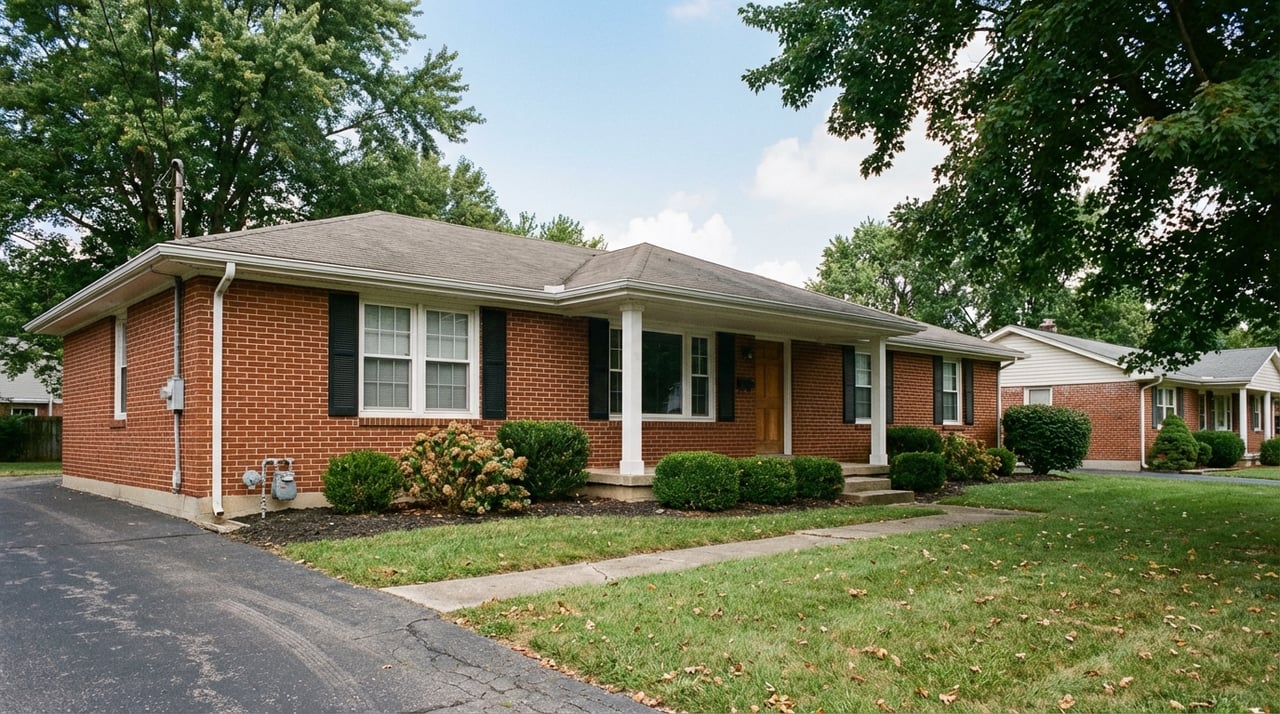
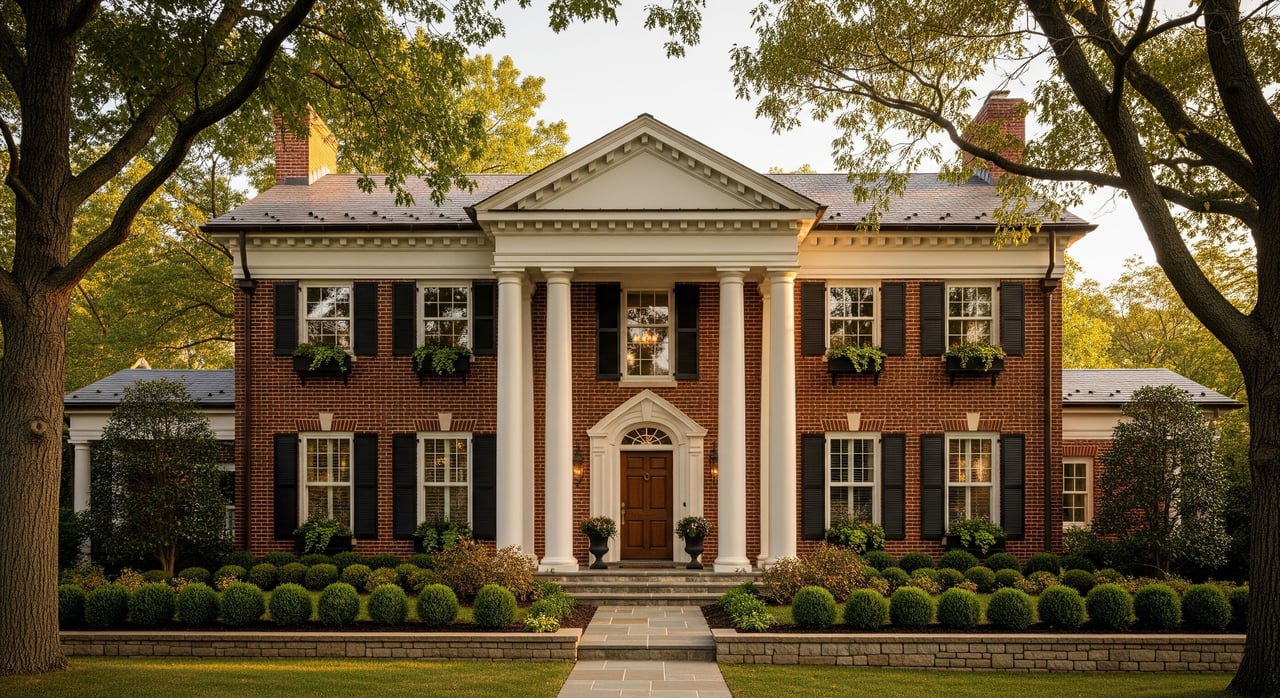
- Boost curb appeal with power-washing, pruning, fresh mulch, and seasonal potted plants near the entry. Plan a quick outdoor refresh as spring arrives.
- Stage kitchens and baths with clear countertops and simple, modern accents. Consider low-cost updates like a new faucet or cabinet hardware.
- Use light, neutral décor and remove overly bold or personal items. If rooms feel small or empty, consider professional staging for key spaces.
Phase D: Photos and marketing prep (1–2 weeks pre-listing)
- Schedule professional photos on a bright day when natural light is strongest. Exterior shots shine once your curb appeal is ready.
- Finalize staging and a top-to-bottom clean before the photo shoot.
- Consider adding a floor plan or virtual tour for out-of-area buyers who start online.
Phase E: Showing-ready habits (listing onward)
- Keep a showing kit with touch-up paint, vacuum, glass cleaner, extra bulbs, and basic tools.
- Be flexible with showings and keep the home tidy. If you have pets, remove visible items and keep odors neutral.
High-impact, budget-smart checklist
Use this checklist to focus your time and dollars where they count.
Must-do (before listing)
- Confirm required seller disclosures and gather permits and warranties.
- Fix safety hazards like loose railings, exposed wiring, or active leaks.
- Service HVAC and confirm all major systems are functioning.
- Test smoke and carbon monoxide detectors.
High-impact, low-cost wins (often under $500)
- Apply fresh neutral paint in the living room, kitchen, and the largest bedroom.
- Deep clean or hire professional carpet cleaning.
- Replace dated light fixtures or switch plates; install brighter LEDs.
- Declutter and depersonalize by packing away most personal items.
- Refresh kitchens with new hardware, a modern faucet, and fresh caulk.
Moderate-cost improvements (about $500–$5,000)
- Update baths with a reglazed tub, new faucet, or re-grouted tile.
- Repair or refinish flooring in high-traffic areas.
- Upgrade the entry door or refinish it; add new house numbers and a mailbox.
- Stage key rooms such as the living room, kitchen, and largest bedroom.
Curb appeal and exterior
- Power wash siding, walkways, and decks.
- Prune, mulch, and add seasonal plantings at the entry.
- Repair or paint porch railings and the front door.
- Repair or replace damaged gutters and downspouts.
Optional higher-impact upgrades (evaluate ROI)
- Larger kitchen or bath projects if supported by comparable sales.
- New roof or HVAC if systems are failing; consider cost versus a pricing adjustment.
For estimated project costs, consult reliable cost guides such as Angi, and align scope with your local comps and timeline.
Staging and photos for late winter
Late-winter listing? Focus on bright interiors, clean lines, and clutter-free rooms. If landscaping hasn’t fully greened up, lean on interior photos and plan a quick exterior refresh as spring arrives. Keep window treatments light to maximize natural light.
In kitchens and baths, clear surfaces are your friend. A small plant, stacked towels, or a single statement bowl adds warmth without clutter. If your rooms feel small, remove a piece of furniture to open the flow. Professional staging can be useful if photos read as busy or if your home will compete with newly updated listings.
Showing strategies tailored to Harford County buyers
Commuter buyers often tour on evenings and weekends, so flexible showing windows help. Enable easy agent access with a lockbox or streamlined scheduling, and keep the home in show-ready condition.
Highlight what buyers value in this market. Create a simple one-page features sheet that notes recent updates, utility info, outdoor features, and proximity to major routes. If you completed a pre-listing inspection, consider sharing a neutral summary with qualified buyers to reduce surprises.
For out-of-area shoppers beginning online, provide a thorough photo set, a floor plan, and a short virtual tour. Clean and organize closets and storage areas so buyers can see capacity, and stage a simple work area if you have a suitable space.
Local compliance and risk checks
- Disclosures: Review Maryland seller disclosure practices with your agent or attorney. You can reference statewide resources through Maryland REALTORS.
- Permits: Confirm that additions, decks, or finished areas were permitted as required. Check current guidance on the Harford County government site.
- Flood risk: If your home is near a stream or low-lying area, consider checking the FEMA Flood Map Service Center to understand floodplain designations.
- Neighborhood rules: If you are in an HOA or a historic district, verify exterior guidelines for paint colors, landscaping, signage, and fencing before making changes.
Sample 8–10 week timeline for a spring listing
- Weeks 8–10: Meet your agent for a CMA, review disclosures, consider a pre-listing inspection, and start major decluttering.
- Weeks 6–8: Complete safety and system repairs. Tackle interior paint, flooring fixes, and drywall touch-ups. Start curb appeal planning.
- Weeks 4–6: Finalize staging decisions, rent storage if needed, and deep clean. Book your photographer and, if desired, a virtual tour provider.
- Weeks 1–2: Finish staging and touch-ups, schedule photos for a bright day, and prepare your showing kit.
- Listing onward: Be responsive to showing requests, host an early open house, and use feedback to address recurring concerns quickly.
Budget and prioritization tips
Start with safety and systems. These items matter at inspection and can derail a sale if not addressed. Next, focus on visible cosmetic wins that make your photos pop. Finally, weigh bigger projects against your timeline and the comparable sales your agent shares.
If you are unsure about a project’s return, get competitive bids and compare the cost to a potential price adjustment. Small, well-chosen updates often earn back more than they cost by improving first impressions.
Ready to sell with confidence?
If you want a tailored plan for your property and timeline, schedule a quick strategy call. You’ll get a data-informed pricing outlook, a custom prep checklist, and a marketing plan built for today’s Harford County buyers. Connect with Brian McCarty to get started.
FAQs
What should I fix before listing my Harford County home?
- Prioritize safety and system issues first, such as HVAC service, roof or gutter repairs, leaks, and electrical problems, then complete high-visibility cosmetic updates like paint and lighting.
Is a pre-listing inspection worth it for sellers?
- It can help you find and address issues before buyers tour, potentially reducing negotiation friction; discuss cost versus benefit with your agent based on your home’s age and condition.
When should I schedule listing photos in late winter?
- Aim for a bright, mild day after final staging and a deep clean; if landscaping is still dormant, focus on crisp interior images and plan to update exterior photos as spring progresses.
How do I handle showings if I have a busy schedule?
- Use flexible windows, enable easy agent access, and keep a ready-to-show kit for quick touch-ups so your home is available for evening and weekend tours.
What local rules should I check before making changes?
- Review Maryland disclosures, verify permits with Harford County, confirm HOA or historic district guidelines, and check floodplain status via the FEMA map if you are near waterways.
Which low-cost updates deliver the biggest impact for photos?
- Neutral paint, brighter LED lighting, decluttering, fresh caulk, new cabinet hardware, and a thorough deep clean typically provide strong visual returns for minimal cost.